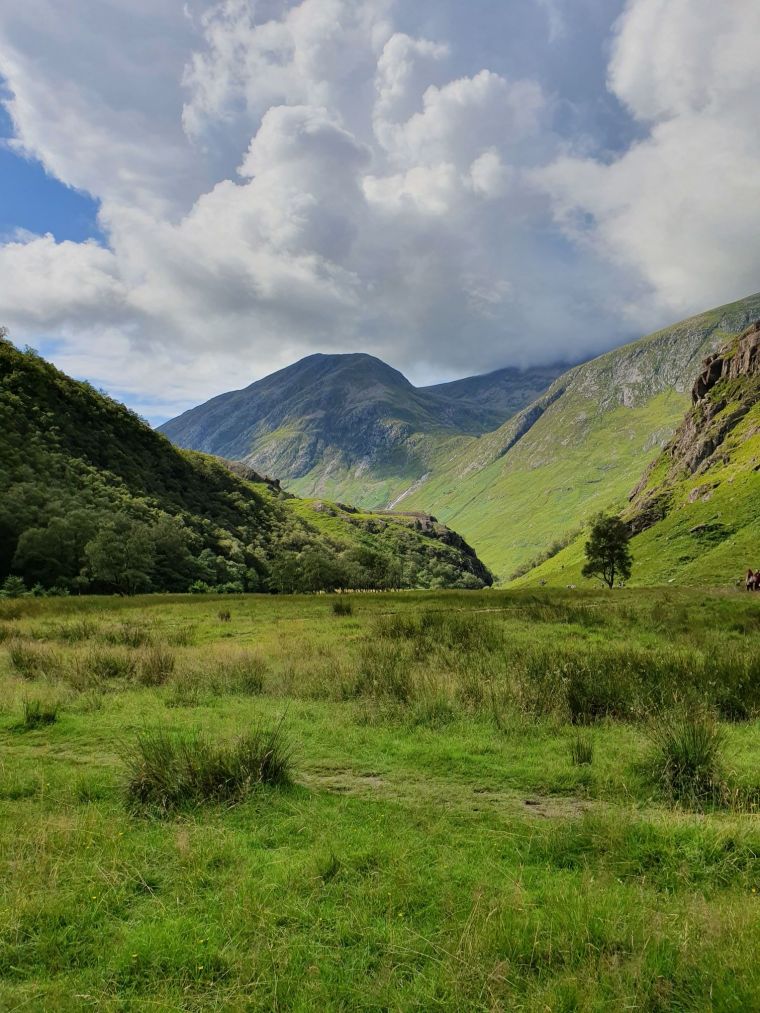
For its bearable summertime temperatures and host of activities and culture, this year Scotland has been dubbed a ‘coolcation’ holiday destination. After the hottest summer on record in the UK, I am sure many people are starting to rethink about how they live and where they holiday. As you probably know, blog HQ likes to keep a close eye on the contours of Scottish style so when a recent BBC news story about coolcations appeared, it rather caught my eye.
Coolcation holiday memories
It was normally around the ‘Glorious 12th’, in August that our Scottish mother would declare that she needed to leave the heat of the south east (of England) and return to the hills.
Whilst childhood friends were jetting off to the Mediterranean, we were taking what now might be regarded as ‘coolcation’ holidays in the Highlands and Islands. The norm on our Scottish holidays was a combination of cool temperatures, rain and midges but also the warmth of our Scottish family and friends. The incredible scenery, the traditions and heritage of making, design and manufacturing, are threads that have stayed with me.
Sustainable Scottish style 2026
Re-using and improving on old designs is something I find not only reassuring for the planet but totally inspiring as a design process. Here are a few examples from architecture, to garden design, furniture and fashion…
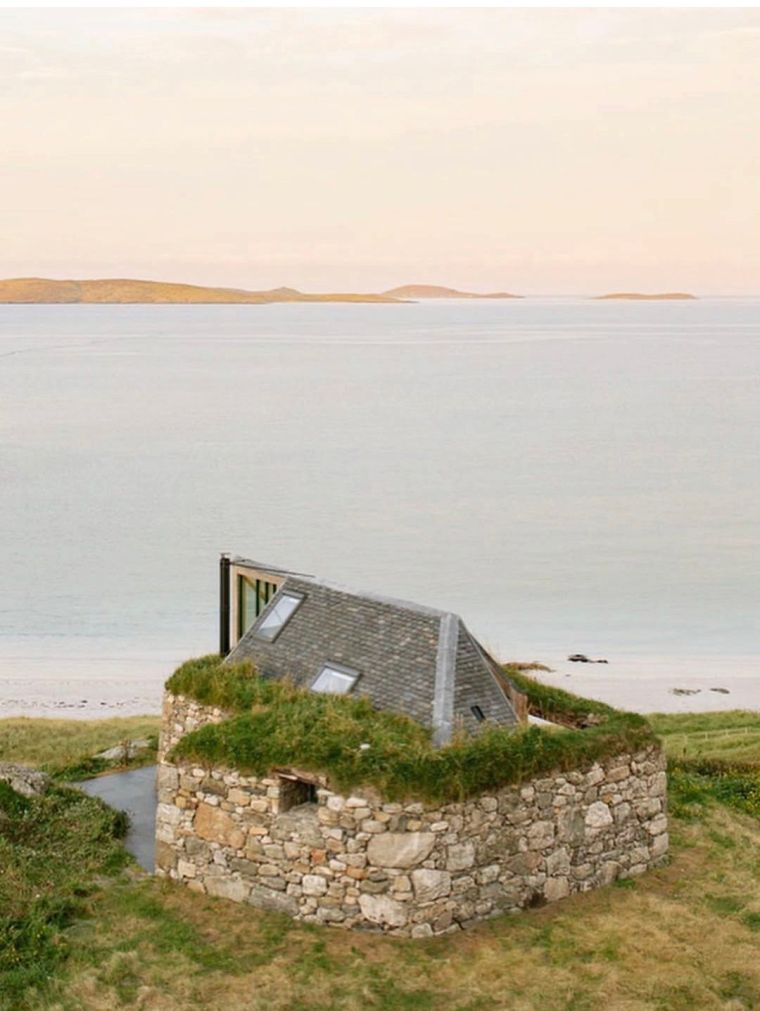
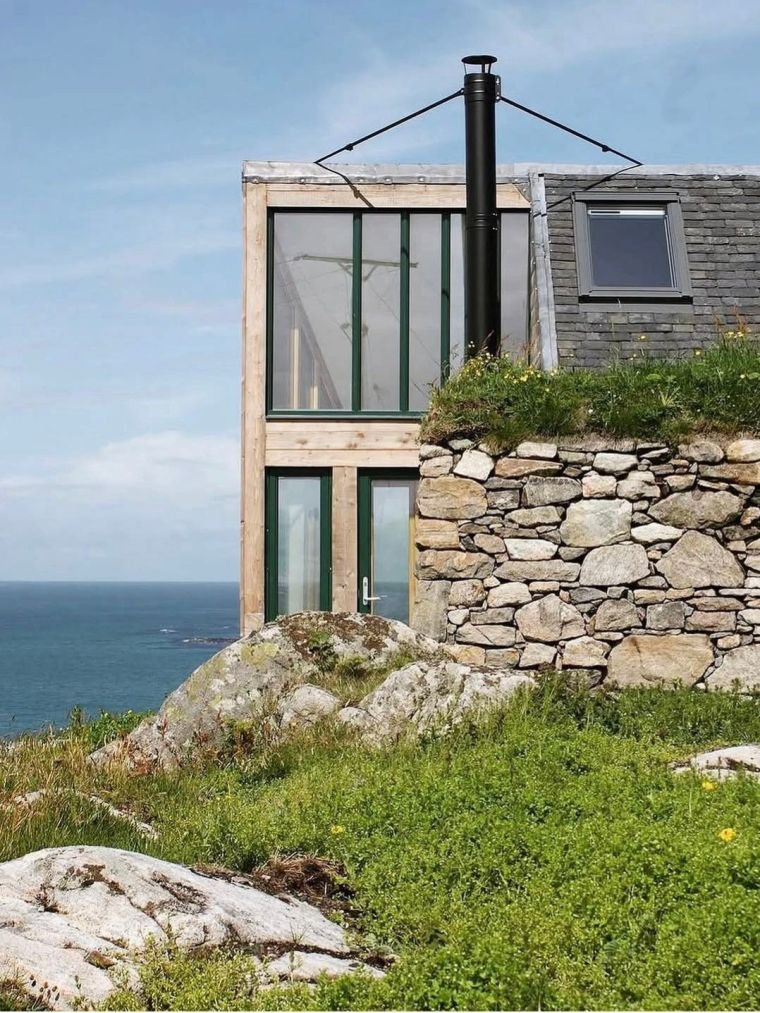
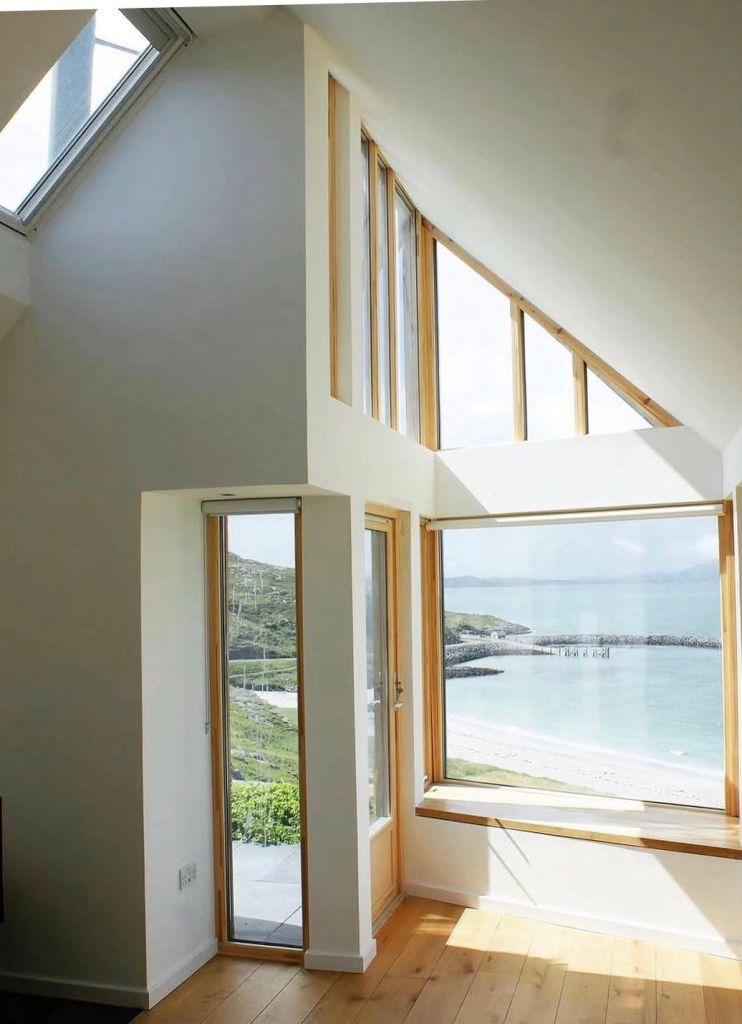
Cruachan Beag is a private home on the Isle of Eriskay which lies between the isles of Barra and South Uist in the Outer Hebrides. It is a rather wonderful example of sustainably reusing old walls to create a larger and inspiring new home. The old walls cocoon the new home which reaches out to the light.
Glasgow-based architects BARD say the original building was a two-celled stone bothy which lay in ruins. “It is situated on a spectacular promontory and was a favourite for onlookers to photograph. This structure was formerly a home, and may later have become a dairy shed. What was clear, however, was that numerous adaptations had been made over time to the building.”
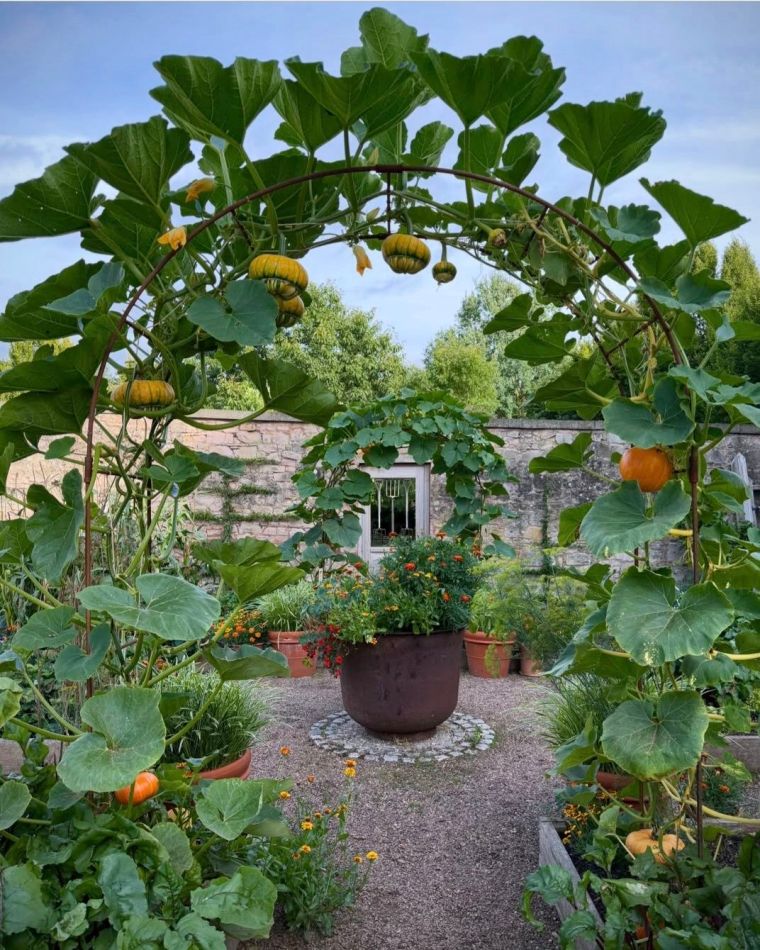
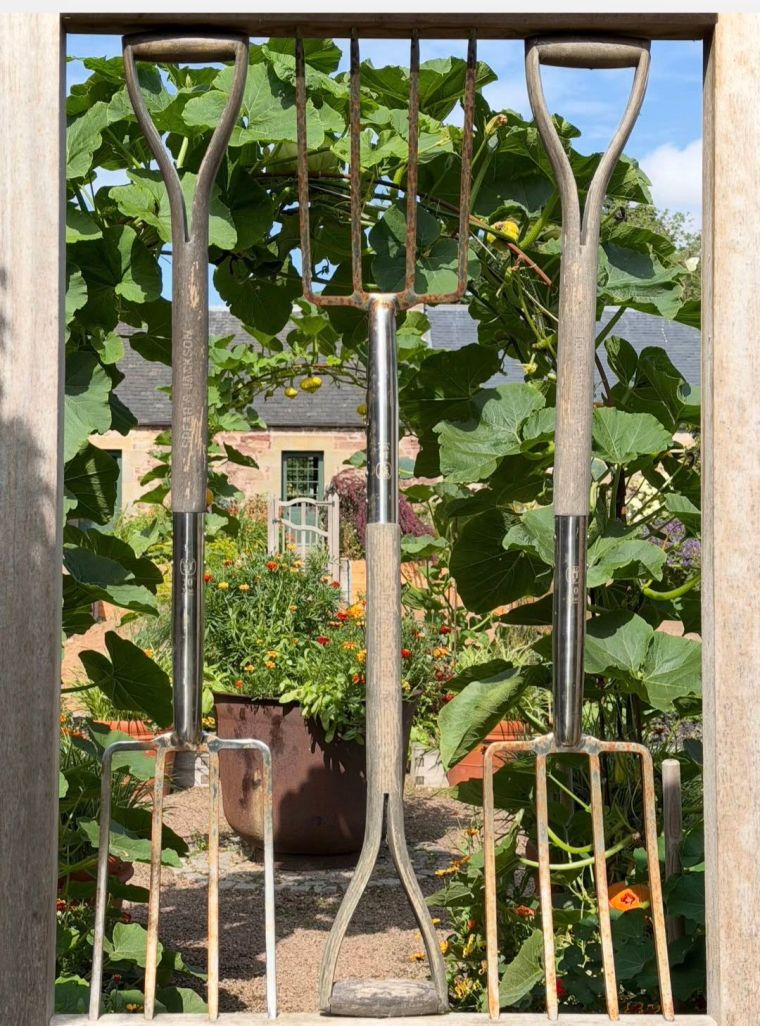
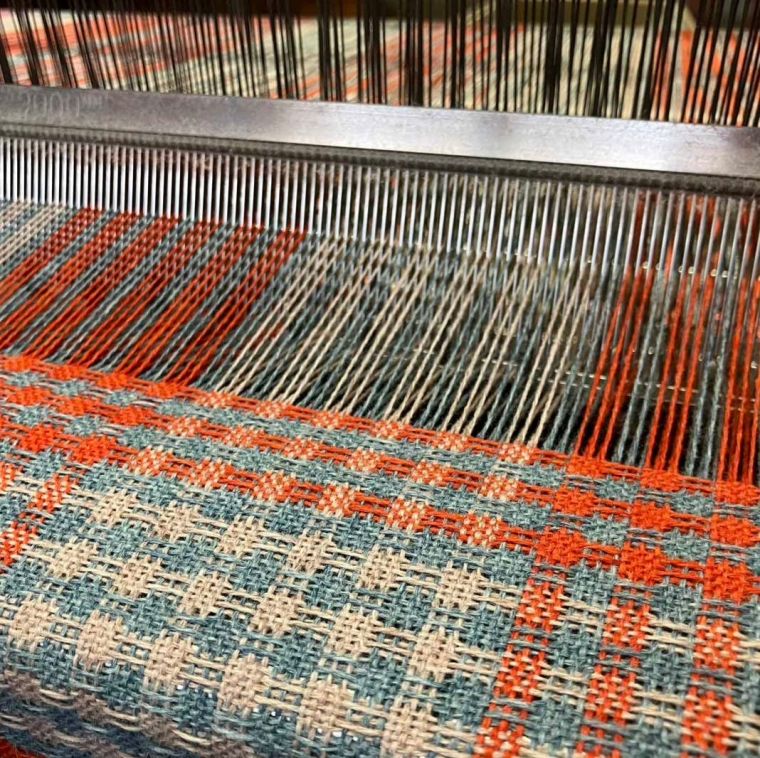
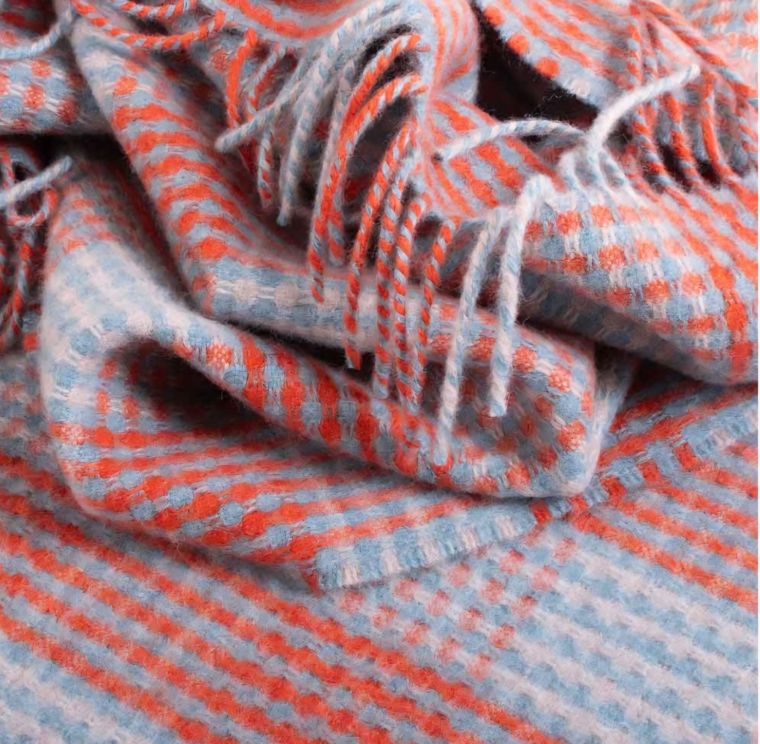
National dress
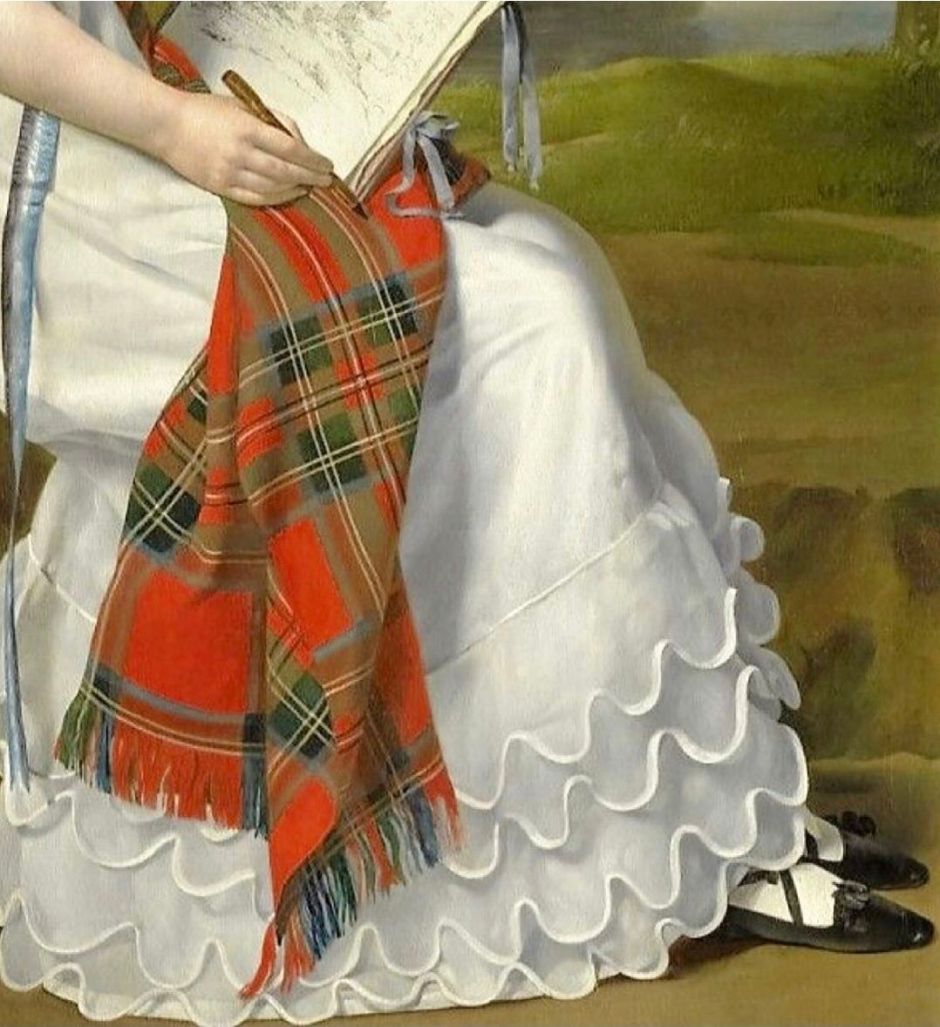
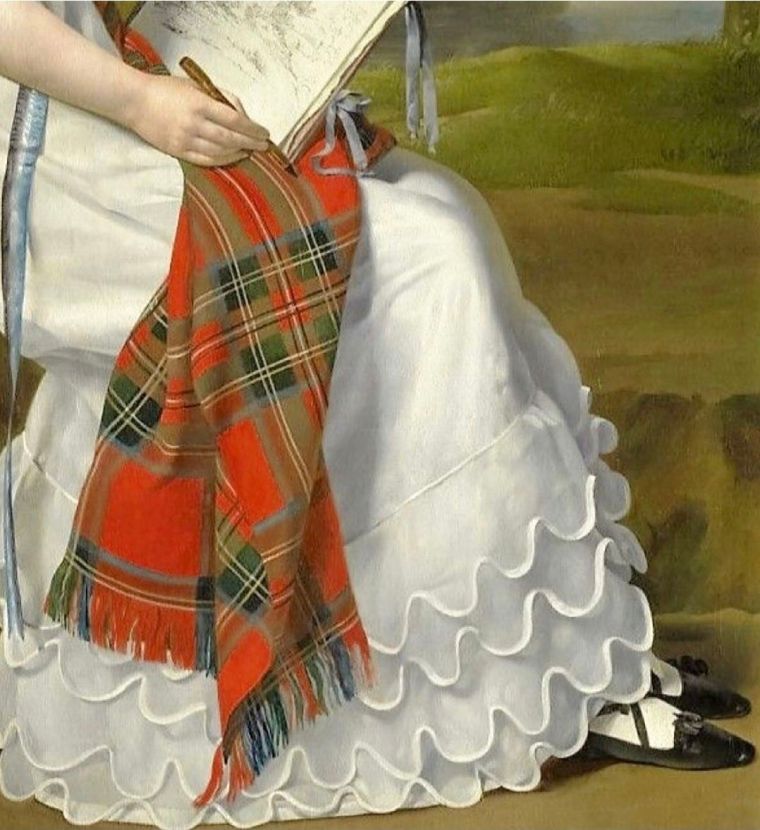
The first image is a crop from a painting which is unattributed but is thought to date to around the 1830s. The lady is wearing a rather gorg-oise dress with scalloped detail. It looks like it is made from a delicate white organdie fabric. The lady in question is drawing a landscape and looks like she is dressed for a Scottish summer ball with her tartan shawl and dancing shoes!
The kilt remains such an iconic design and is perhaps ahead of its time in offering ‘equal clothing rights’ to both men and women. If you have ever worn a full wool tartan kilt (7.3 metres of fabric required!), you will know how special it makes you feel. The weight of the skirt swishes as you walk and the pleats are designed to hang in such as way as to enhance your shape. Wool, as we know is warm in winter and cool in summer and biodegrades without harm to the earth.
There are some great versions of the kilt on the high street for Autumn/Winter 26. However, when I saw the exquisite work of Andrea Chappell who I can only describe as a Scottish couturier, my breath was truly taken away. Andrea makes bespoke kilts with the most incredible details. Her work and a couple of sold-out talks took place this summer during the Edinburgh festival at the Scottish Textiles Showcase. Heirloom designs come to mind, and ones which give a twist to the classic design of a tartan kilt.
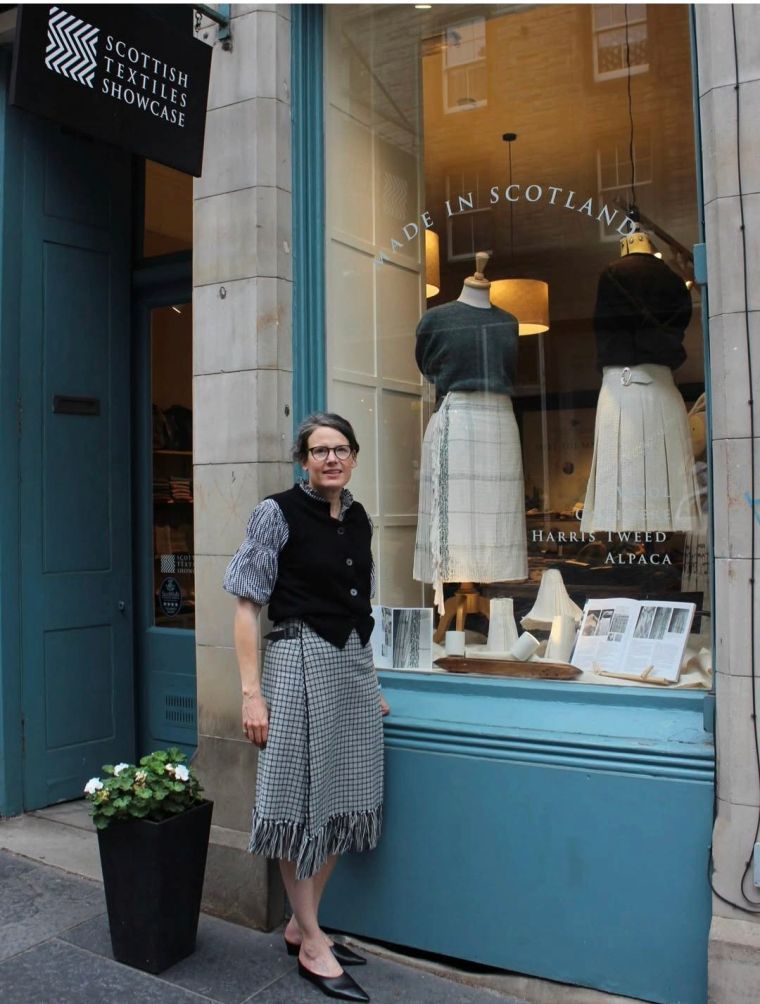
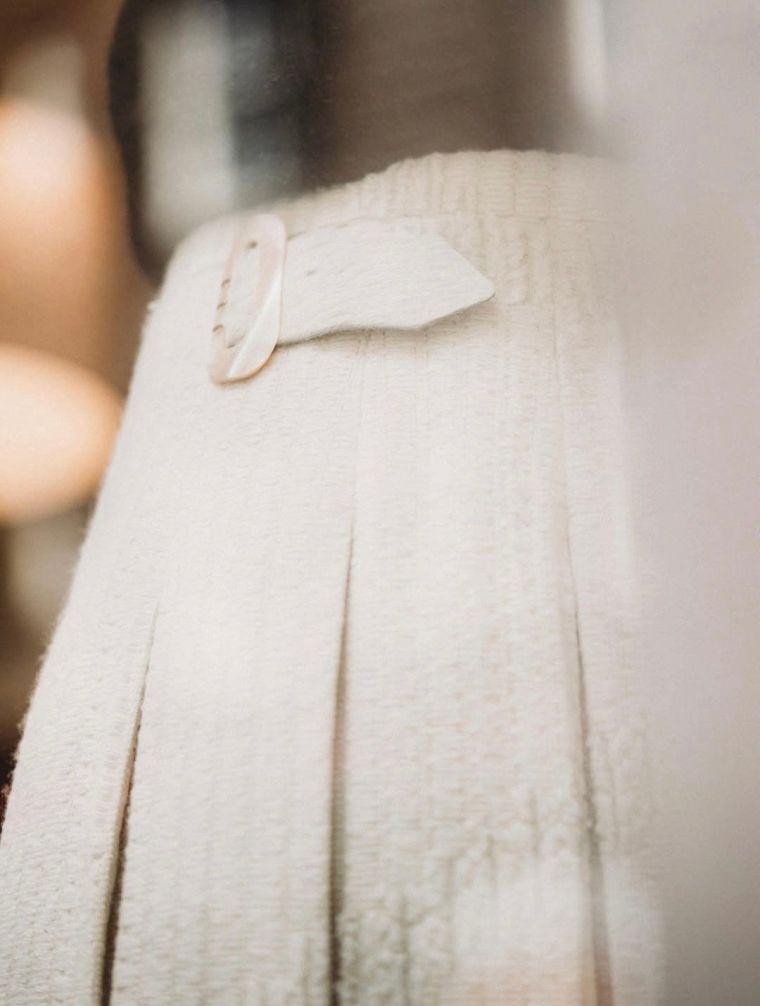
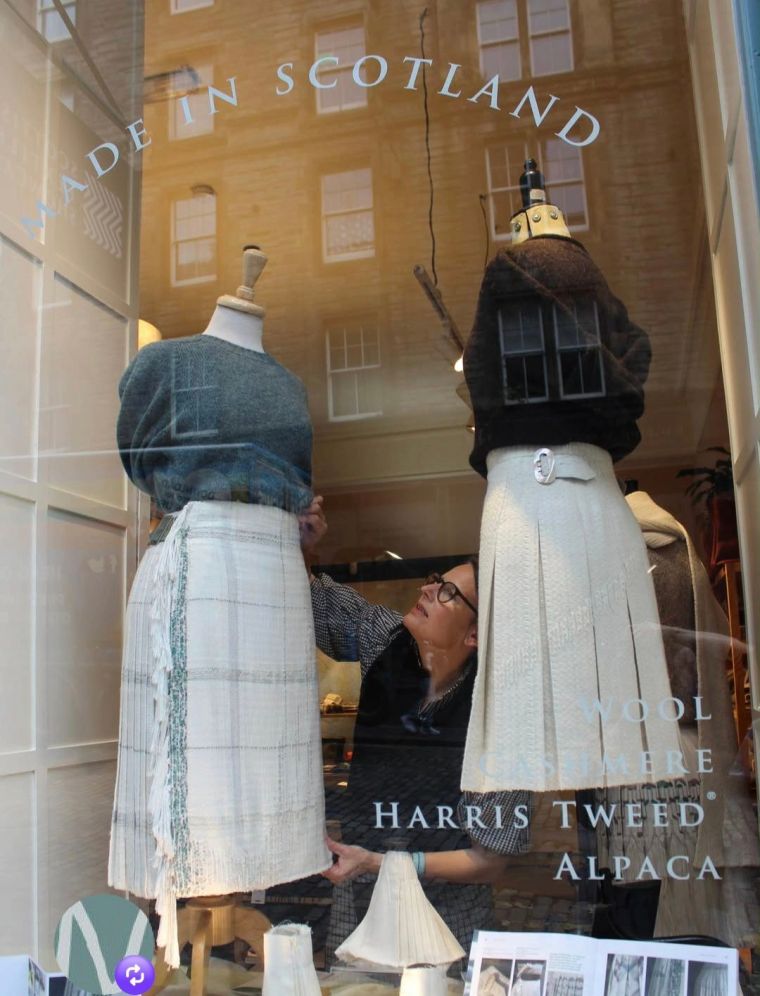
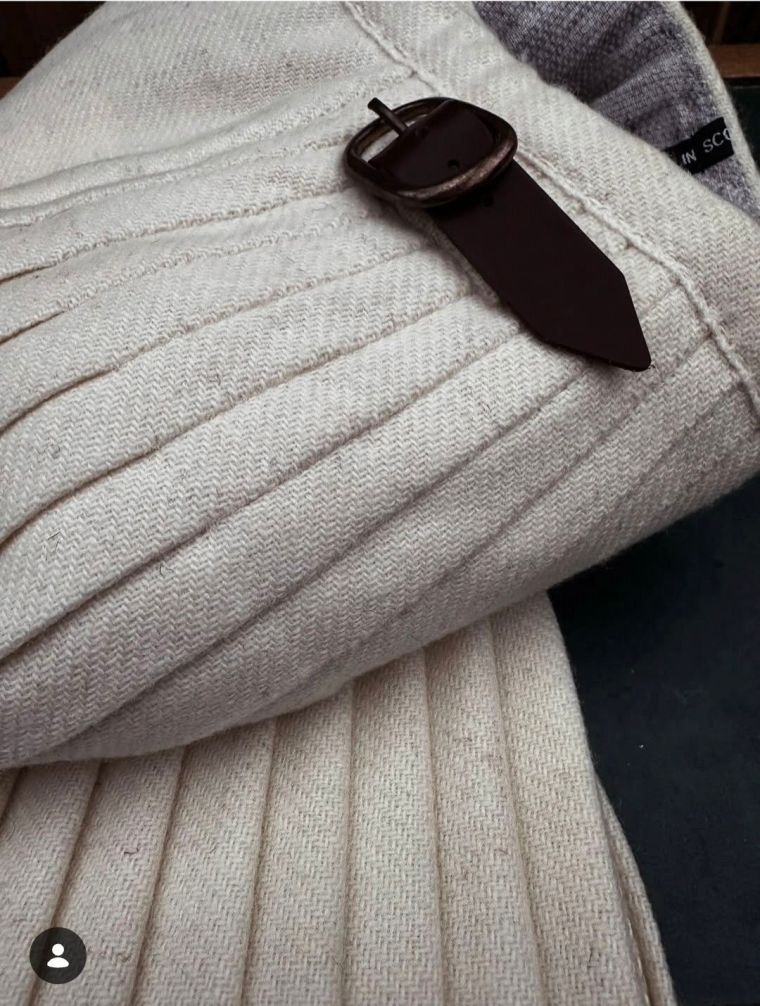
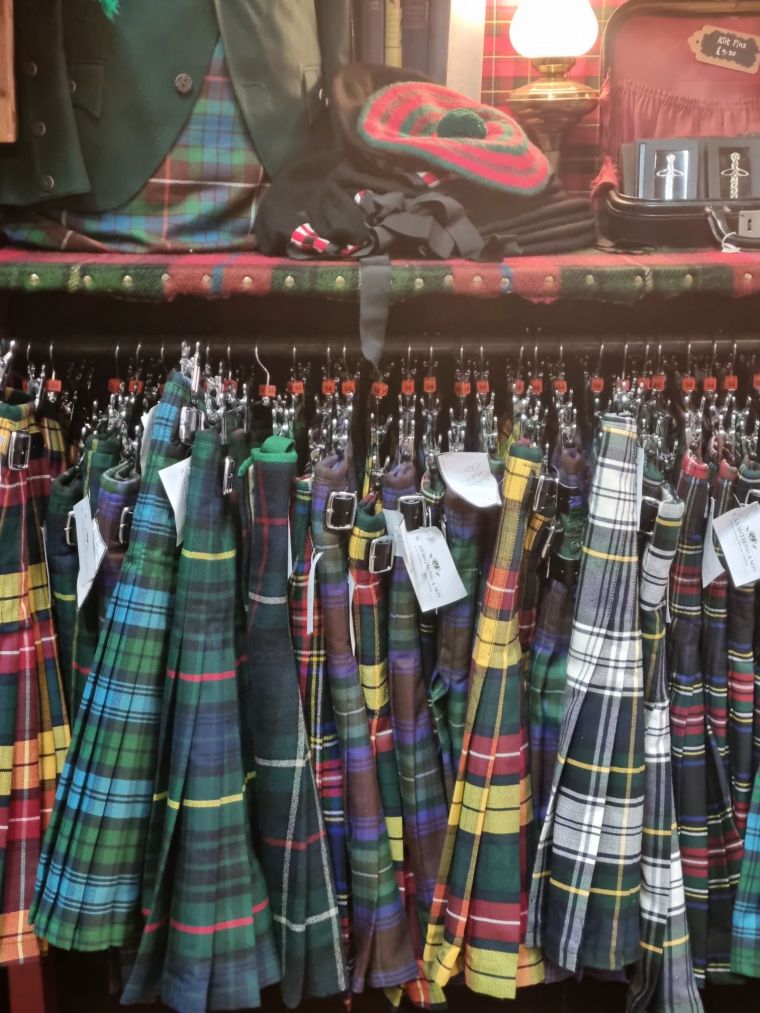
Photo: Charis White
Scottish coastal style
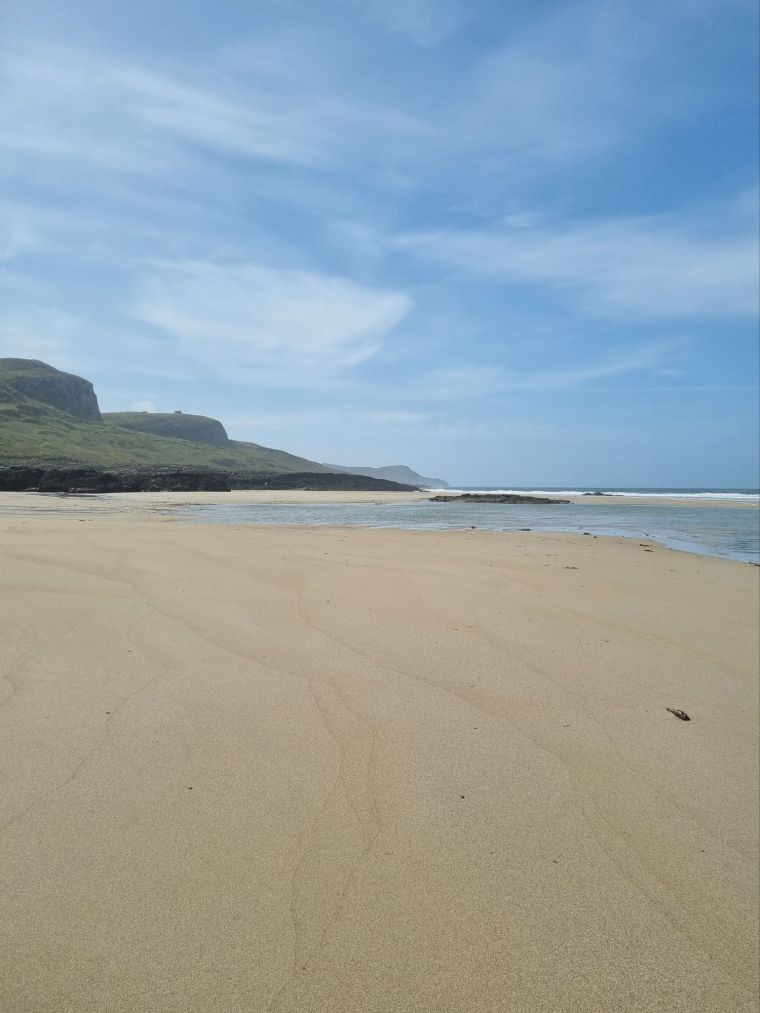
There are so many beautiful beaches like this one on the Isle of Islay in Scotland. If you keep off the beaten track, they are often fairly empty with vast stretches of sand.
Scottish heritage
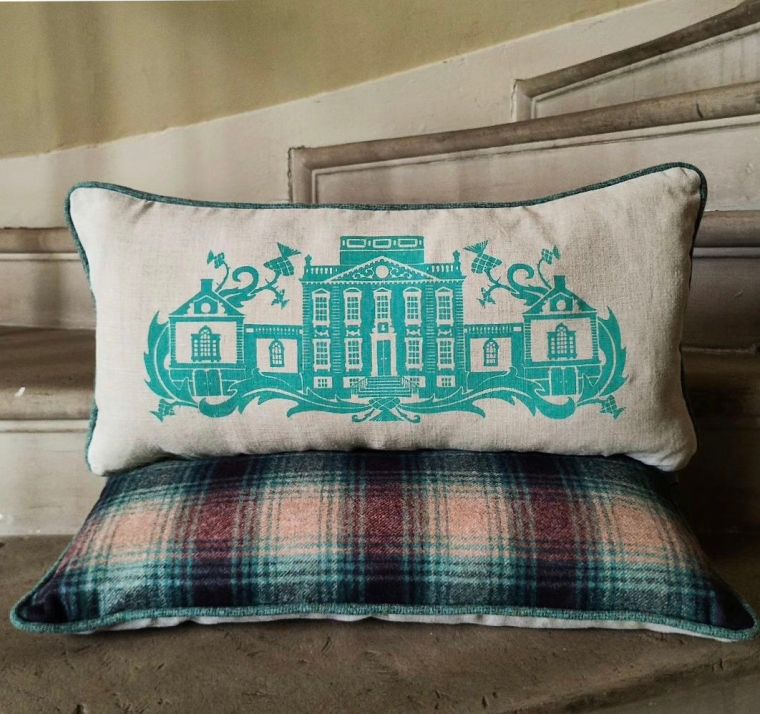
Duncan Tattersall specialises in bespoke hand printed designs inspired by Landmark Trust properties. This is a beautiful design he was commissioned to do of ‘Mavisbank’ for a director at the Landmark Trust. It depicts the exterior of what ‘Mavisbank’ will hopefully look like in the future when the Landmark Trust who are working with the National Heritage Memorial Fund to save one of Scotland’s currently dilapidated national treasures. ‘Mavisbank’ was the home William (1689-1748) (who was the father of architect Robert Adam) designed just south of Edinburgh. William Adam is buried in Greyfriars kirkyard in Edinburgh.
*Blog rewind
Just in case you missed these previous Scottish style posts!
Old School Style Isn’t Just For Christmas
Crathes Castle In The Scottish Highlands
Escape To The Scottish Highlands
Shop the blog
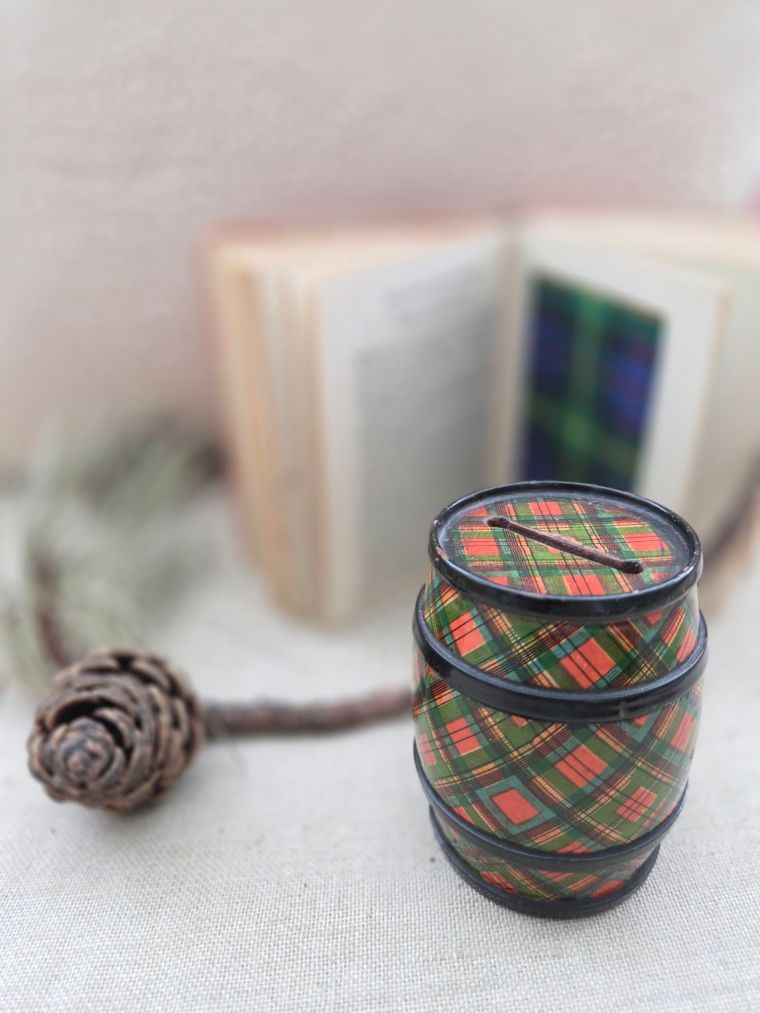
An antique Mochaline Tartan Ware money box is available in my online vintage shop. These Tartan Ware gifts became particularly popular in the 19th-century when Queen Victoria purchased Balmoral Castle. The factory that made them burnt down in 1933 and are highly collected, particularly in America. This money box is in lovely condition with a lid that twists easily off to retrieve savings! It is 4.5 cm diameter x 7.5 cm high and would make a lovely addition to a collection or as a Christmas or Christening gift. Available now in my online vintage shop.
Thank you
Thank you so much for reading this! If you would like to receive regular blog posts featuring interiors, heritage, gardens, antiques and vintage, then do please press the subscribe button here. You will then be sent an email to confirm the free subscription to my blog.
With many thanks,
Charis x


