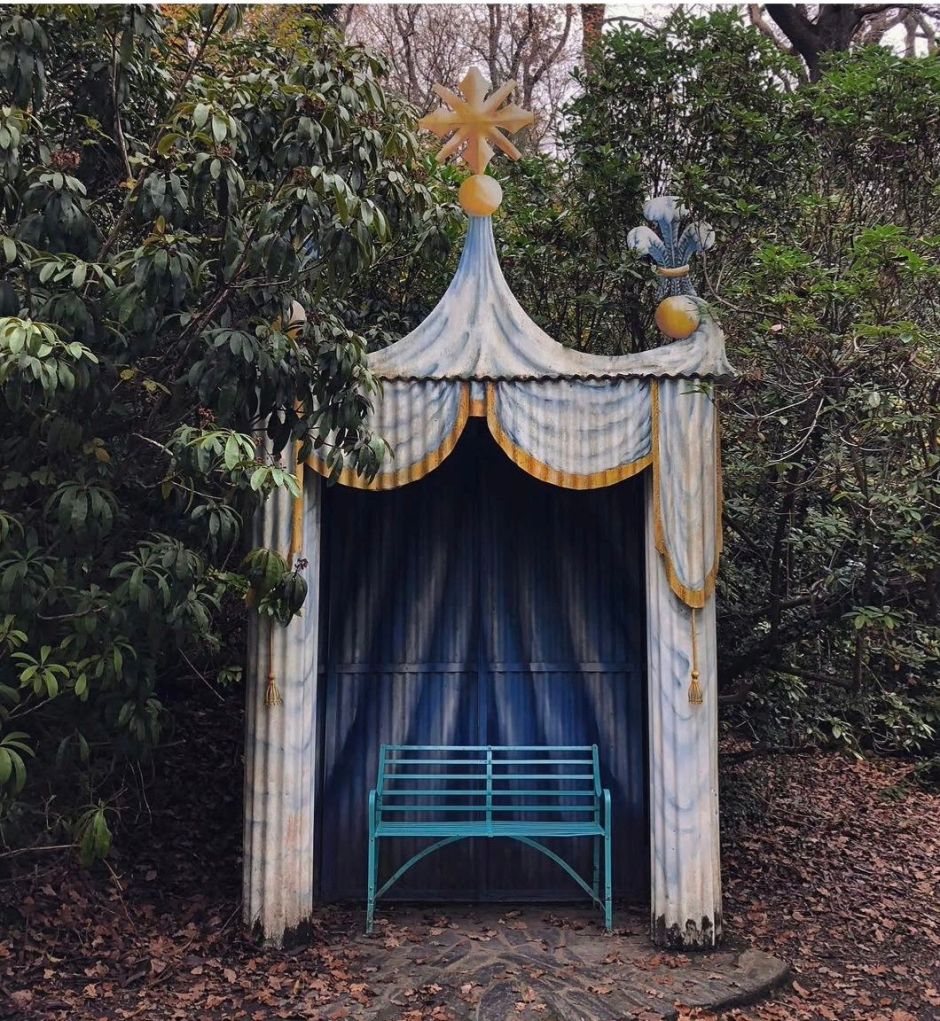
In an unpredictable world, what better escape room to retreat to this summer than the whimsy of an off-grid garden folly? Whilst they lack (by design) the practicality of a garden office, follies offer a most welcome and decorative escape from the everyday. A beautiful garden structure with no other purpose than to delight, a folly might just be the aesthetic we need in 2026.
A potted history of the garden folly
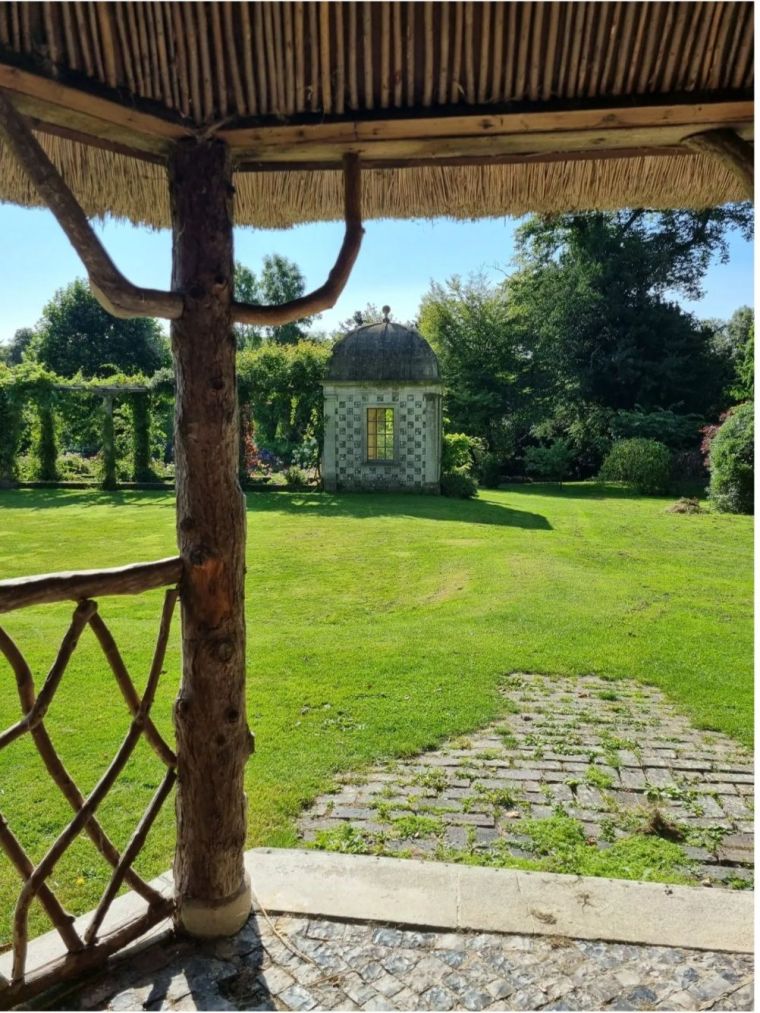
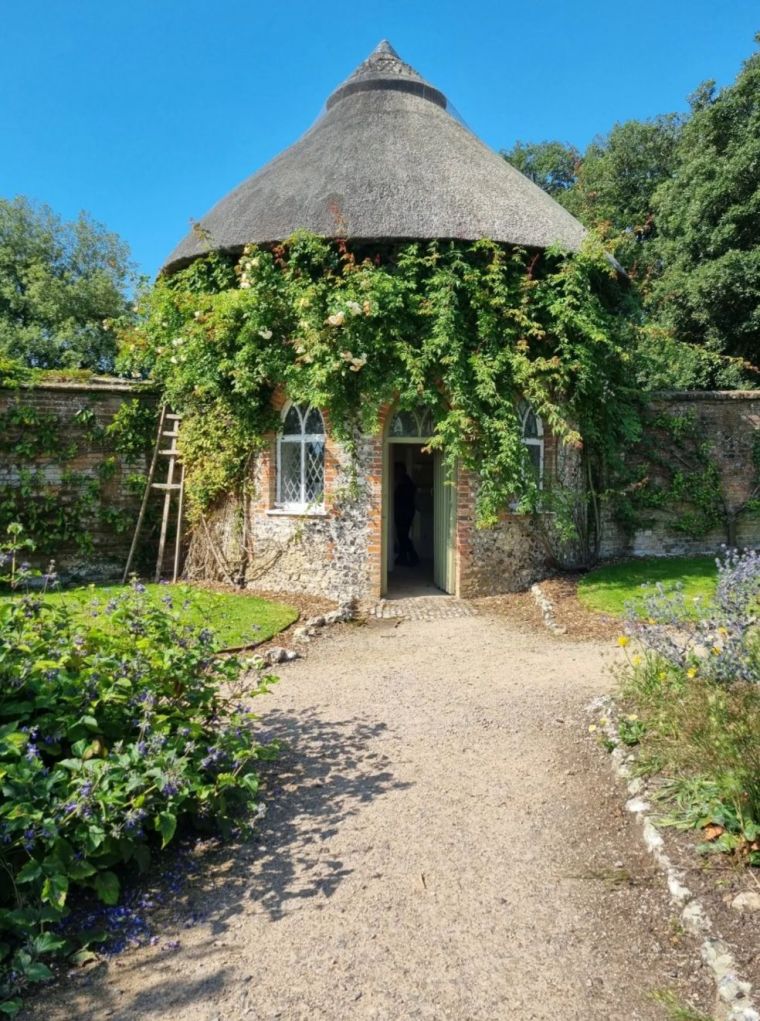
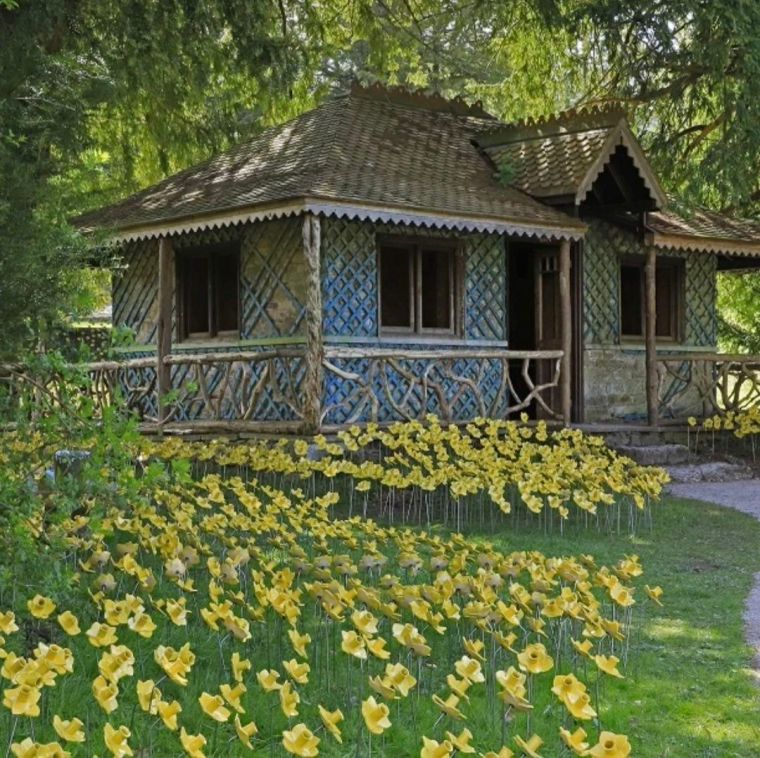
Follies were originally inspired by 18th-century architecture discovered on European Grand Tours. Built on country house estates, they are often hidden from view from the main house and have wonderful vistas across parkland. Follies vary in size and mimic anything from classical temples and towers of the Grand Tour to exotic tents and miniature thatched cottages. Gardeners on British Victorian estates created some of my favourite versions with branches and fir cones.
Escape to the garden
Quirky by design, garden follies create a perfect escape from everyday life, providing unusual places for entertaining, for shade, for fun or quite simply for the peace and quiet of getting away from it all. Thankfully, large country estates are no longer a pre-requisite.
Follies in small gardens
A small garden along with some imagination is all you need to create your own garden folly. Remember to check local planning permission, as there is a maximum height restriction for garden structures.
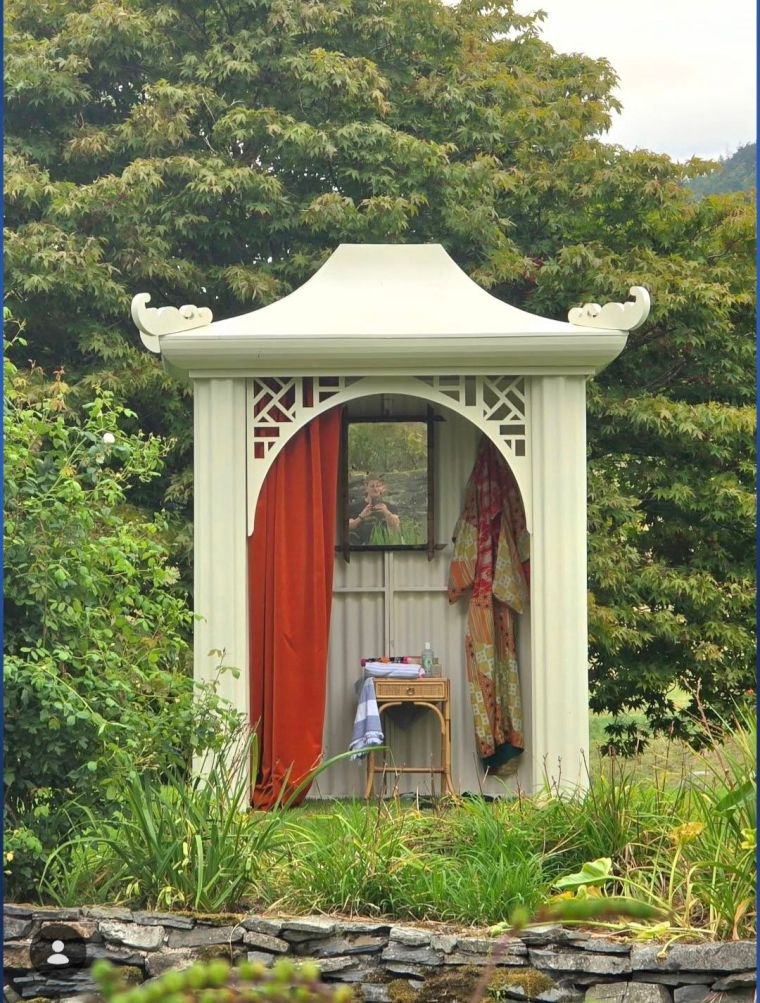
I adore a newly launched collection from Tin Tents which are inspired by the tin folly by Sir (Bertram) Clough Williams-Ellis’ Italianate village of Portmeirion, North Wales.
Stay in a folly
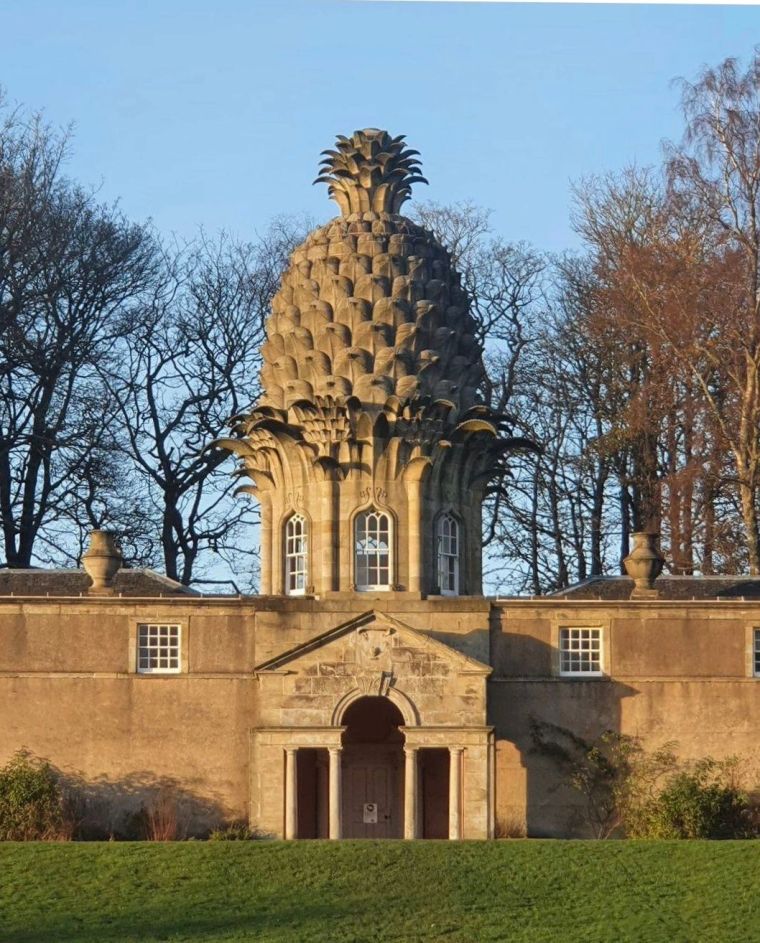
Experience an overnight stay in an 18th-century folly such as The Pineapple Folly built by the Scottish Earl of Dunmore in 1761. I have never been to this one but it has always struck me as such a wonderful piece of joyful architecture!
Secret garden follies
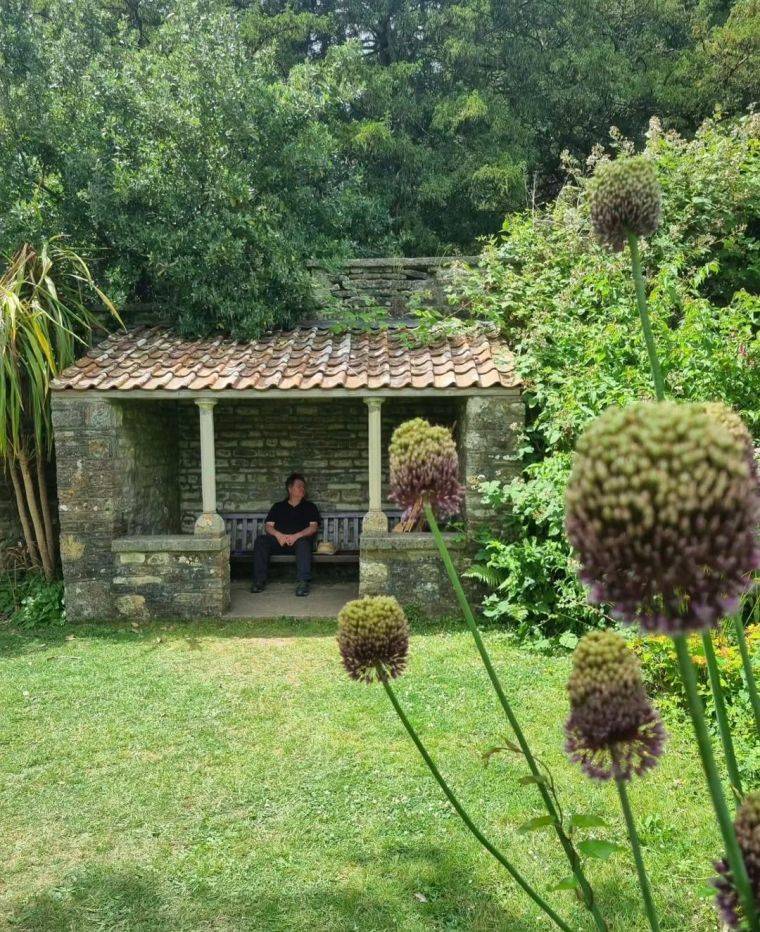
From Scotland to England and Wales, here are just a few follies that have been catching my eye…
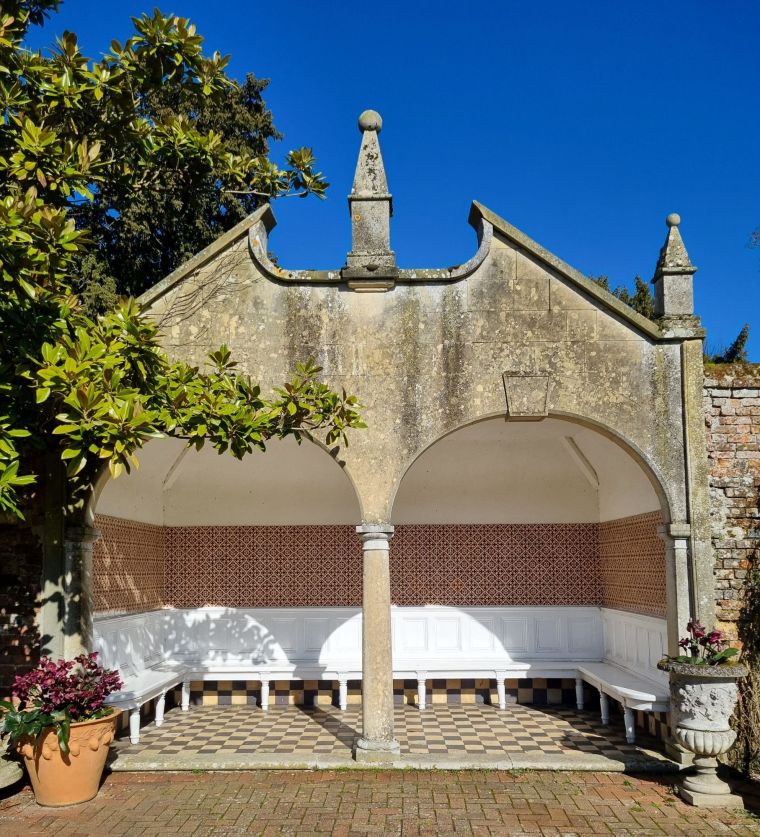
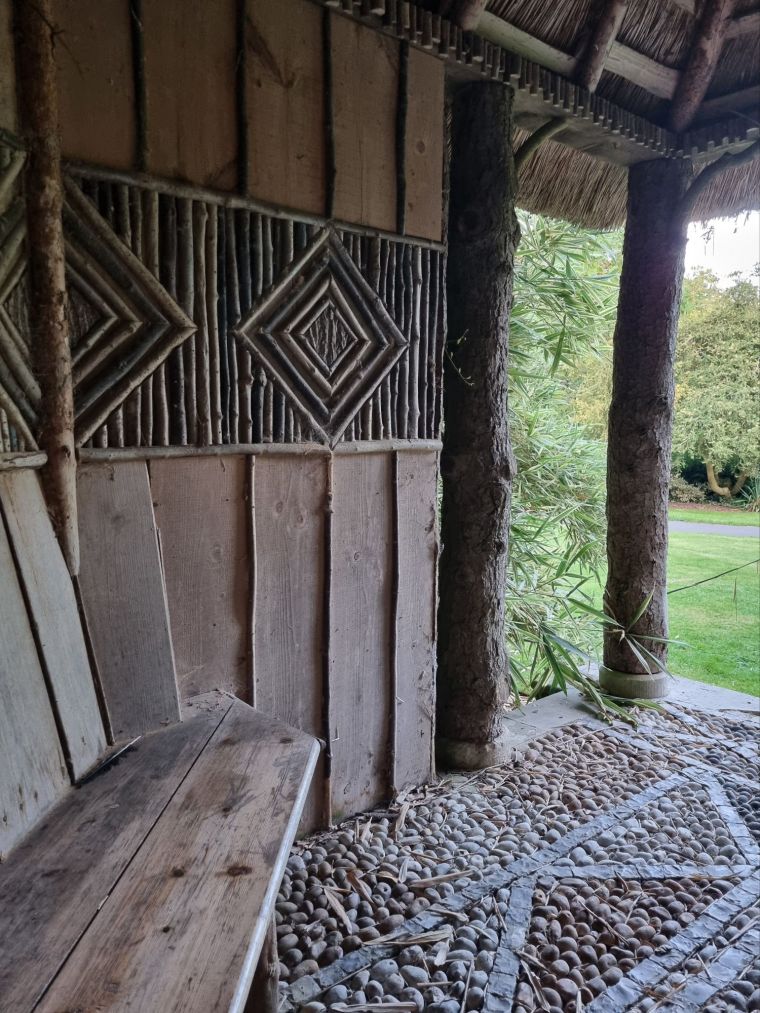
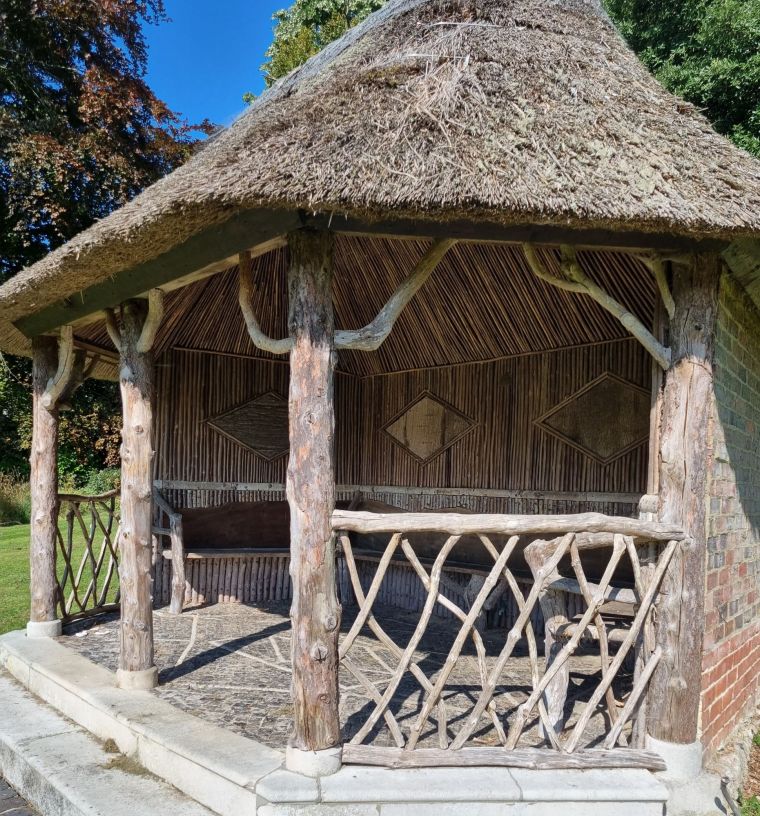

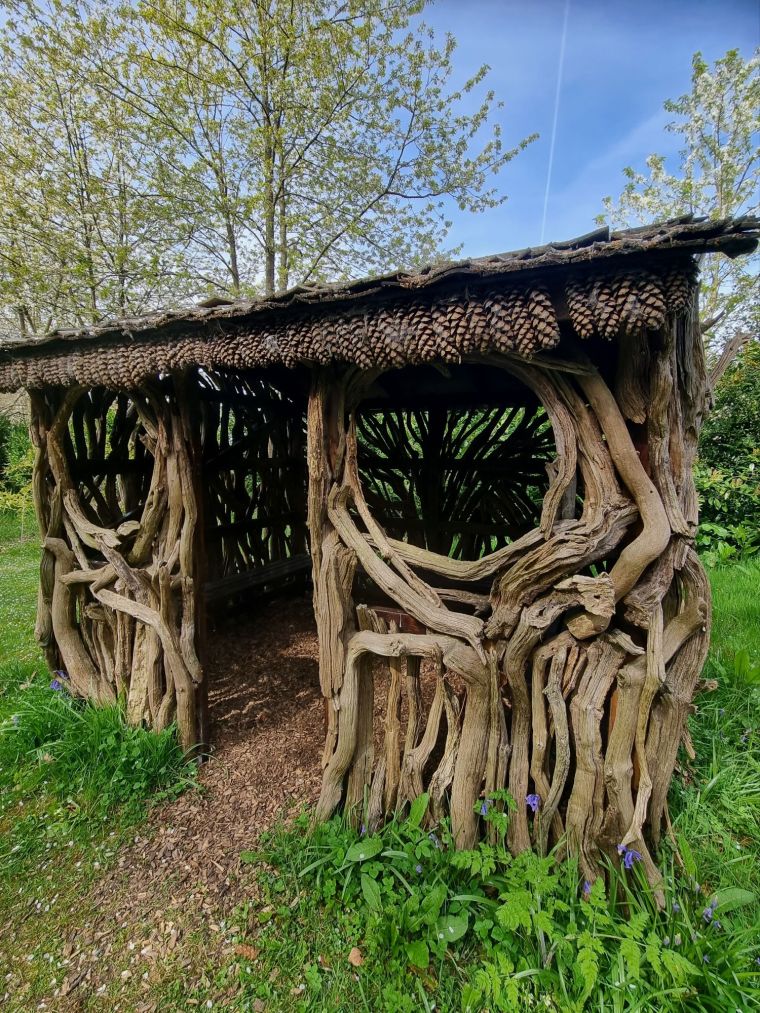
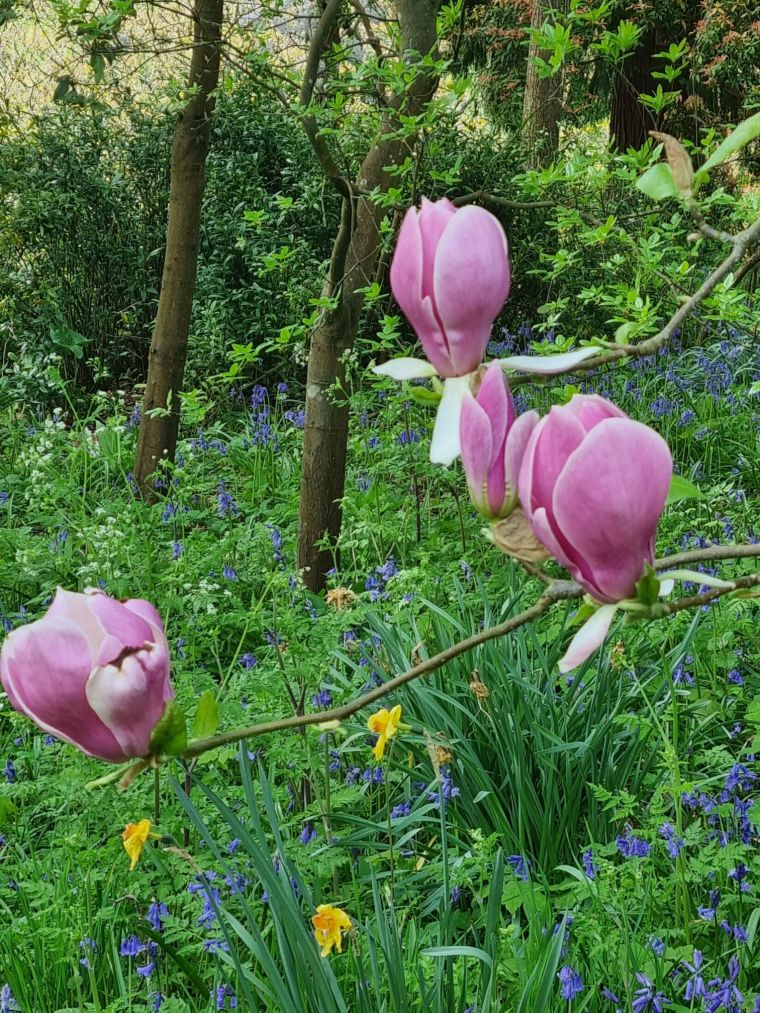
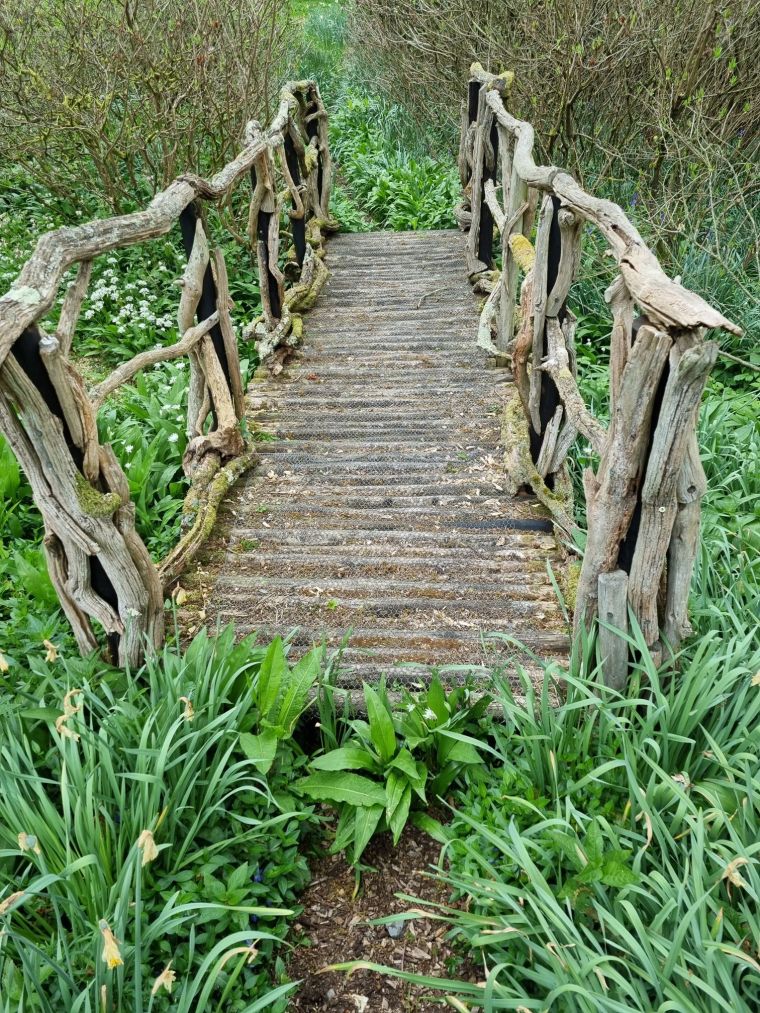
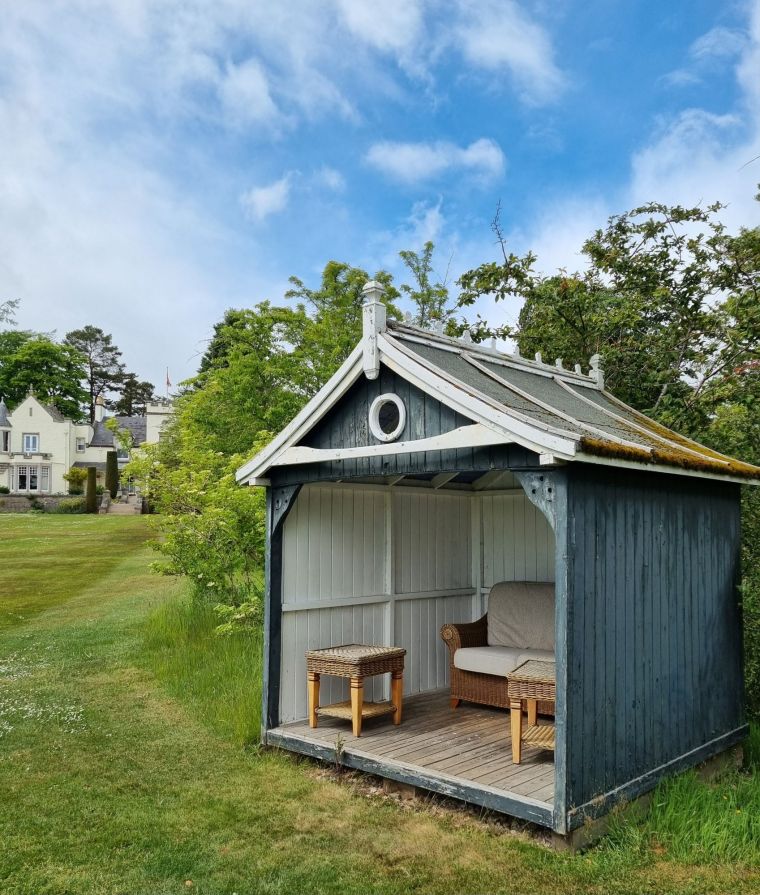
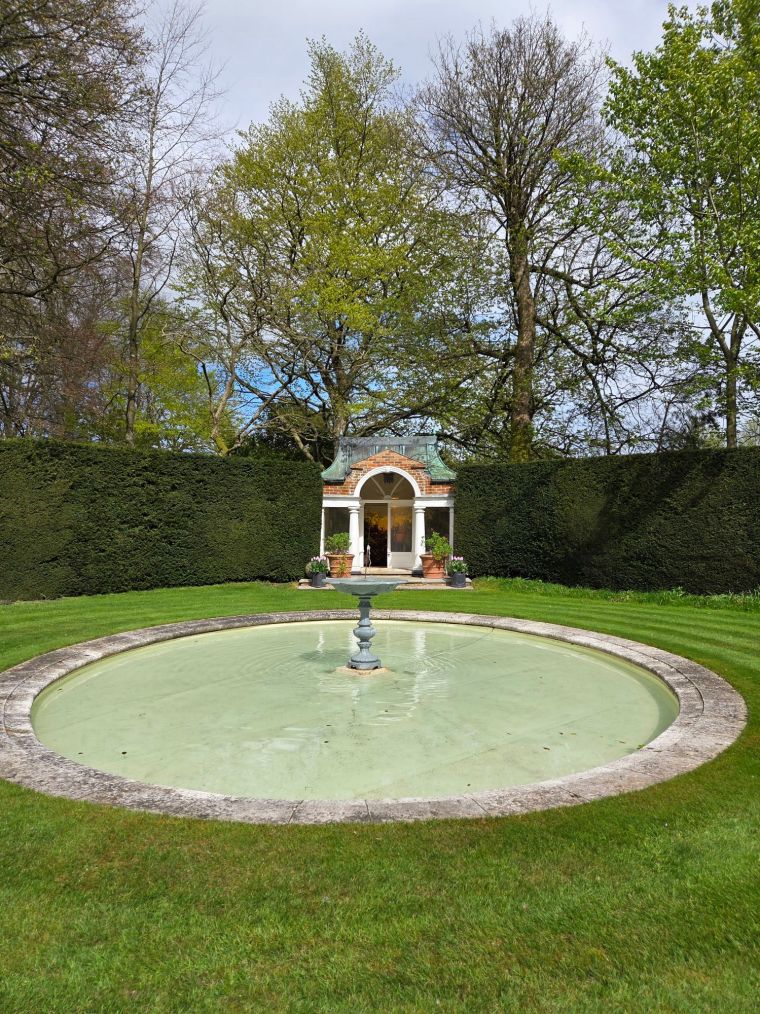
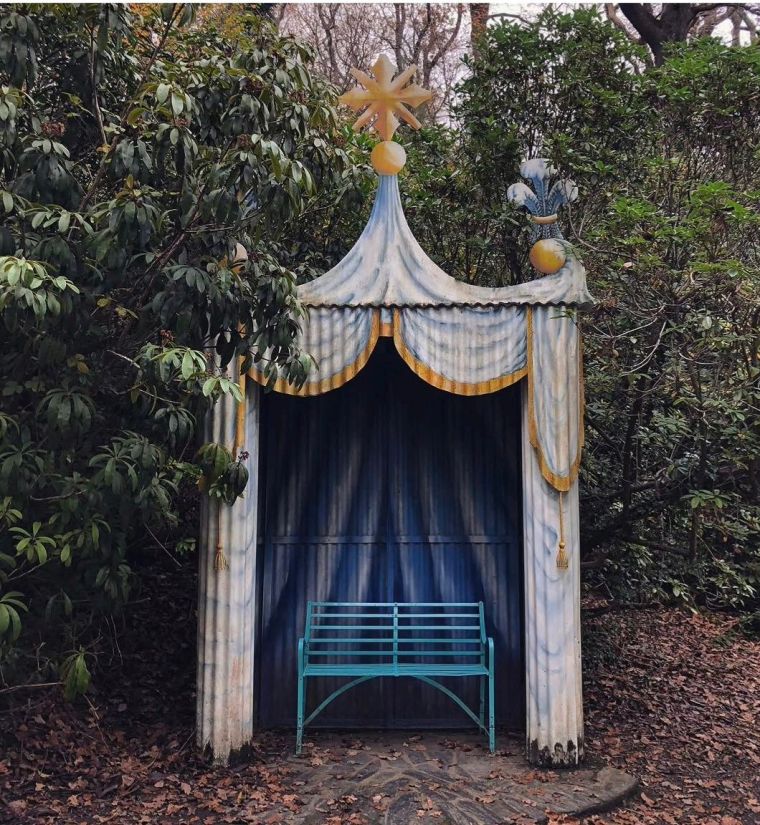
Thank you
Finally, thank you so much for reading this. I hope these follies have inspired you as much as they do me.
If you would like to subscribe to the blog for no cost, then please use the subscribe button at the beginning or end of a post. You will then receive an email alert, usually once a month which will mostly be on interior style (including plenty of antiques and vintage), to garden or heritage themes.
Visual storytelling for newspapers, magazines, books and brands has been my trade as an interior stylist and journalist. The blog offers a little more of this lifelong passion.


Oh Charis, how I would love a folly!
Absolutely wonderful piece with gorgeous photos.
LikeLike
Thank you so much Rachel!
LikeLike