
I first visited St Bartholomew’s Church in my 20s to attend a friend’s winter wedding. As if on cue, Mother Nature provided the most perfect wintery backdrop of snowfall. The ice tunnel effect down Church Lane was like a scene from the Snow Queen. At the end of the lane, the medieval church welcomed us with its handsome 1734 bell tower and heavy open door. In the pews, we sat expectantly in our hats, layered up with happiness, velvet and tweed to see our friend walk down the aisle.
Storybook location
St Bartholomew’s church, Lower Basildon, sits in a particularly arresting crook of the river Thames between Streatley and Pangbourne in Berkshire. The geography of river bank lined with weeping willows and wildflower meadows has caught the imagination over the years of authors and artists such as Jerome K Jerome, Kenneth Grahame and John Singer Sargent.
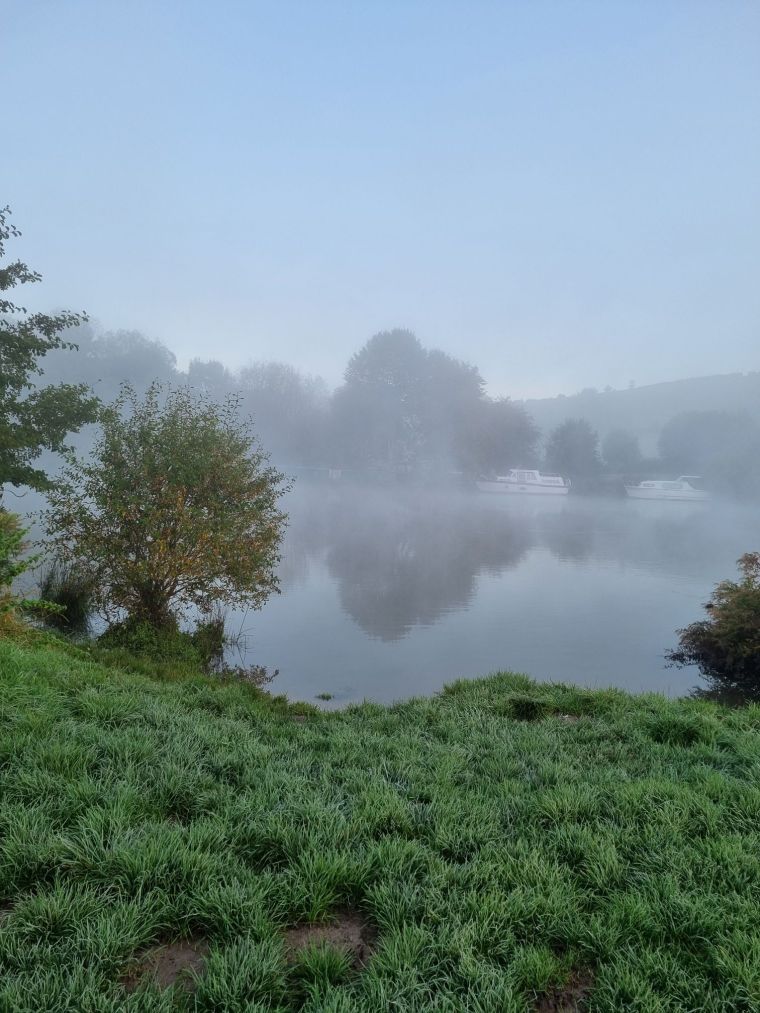
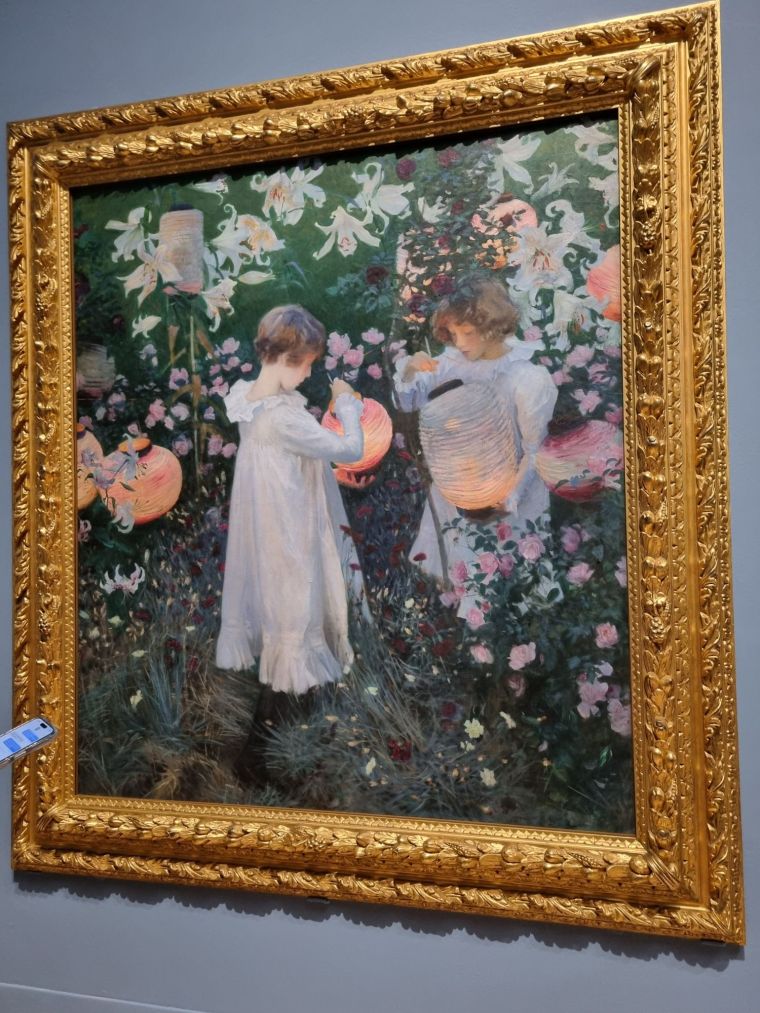
In the 1880s, the American portrait artist John Singer Sargent (1856-1925) was inspired on a boating trip to nearby Pangbourne when he caught sight of some Chinese lanterns hanging in trees along the riverbank.
He later brought this memory to life with the lanterns that formed part of the composition for his portrait “Carnation, Lily, Lily Rose”. Not only was Sargent a wonderful portrait painter but he had the keen eye of a stylist, seeking inspiration whereever he went, giving focus to the finer details of props and the drape of a fabric in his work. As soon as the painting was finished in 1886, Tate Britain bought it where it still hangs today.
13th-century country church
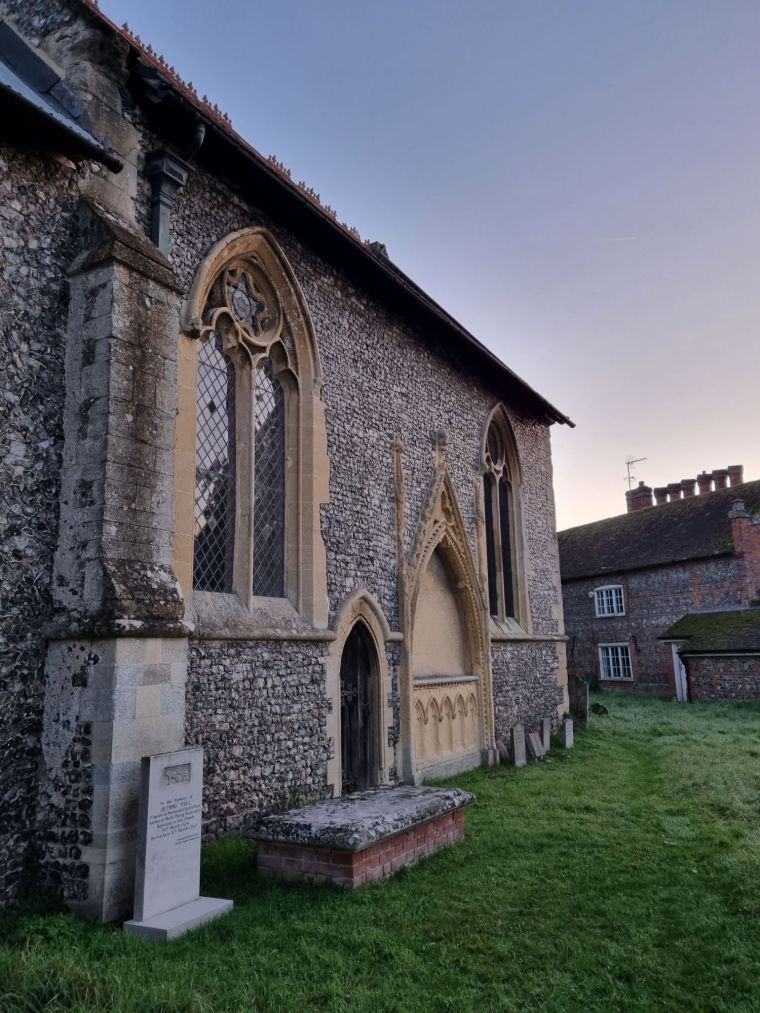
Made from flint and brick, St Bartholomew’s is a pretty 13th-century church enveloped by nature in a countryside setting where little has changed for centuries. It is flanked by Church Farm with its Dutch style gable and by the Georgian Old Rectory. Just a couple of meadows away lies the river Thames with the swell of the Chiltern Hills beyond.
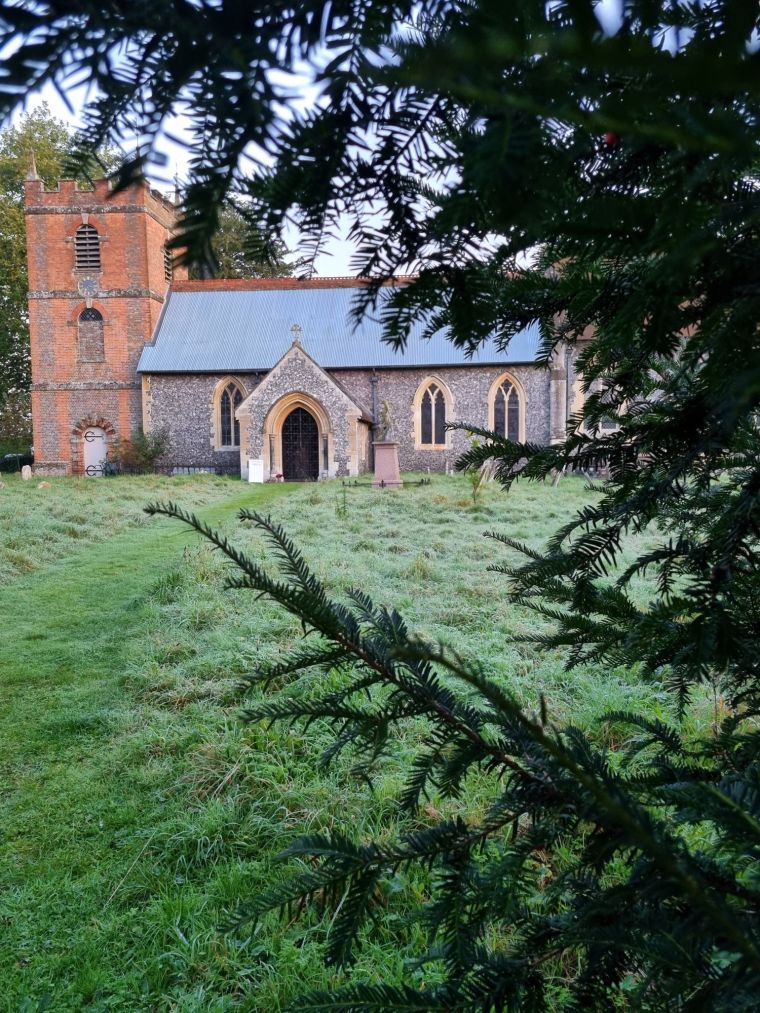
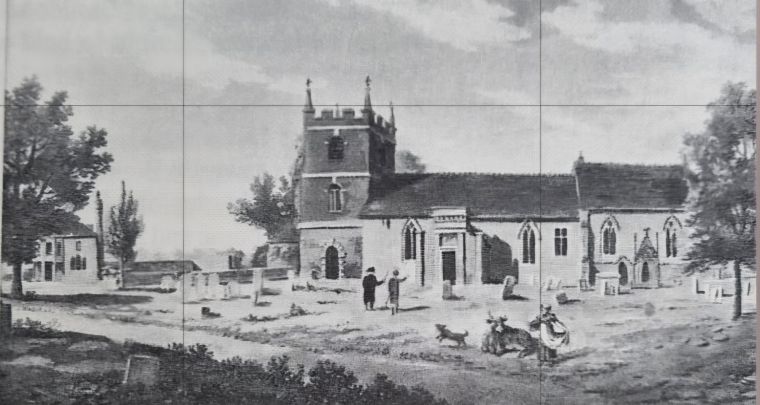
The nave forms the original part of the church with later additions of the bell tower in 1734 and the 19th century porch which replaced a classical version as seen in this print from ‘Basildon, Berkshire, An Illustrated History’, a fascinating history written and published by Clive Williams OBE.


History of St Bartholomew’s, Lower Basildon, Berkshire
The decoration in the 13th-century church is simple with whitewashed walls and exposed wooden roof trusses. The wooden roof trusses date back to the 15th century and were paid for by parishioners who grew wealthy from the local wool and corn trades at the time.
Churches like St Bartholomew’s offer not only a place to worship and congregate, but they open a physical door onto the the ancient past which I find quite fascinating.
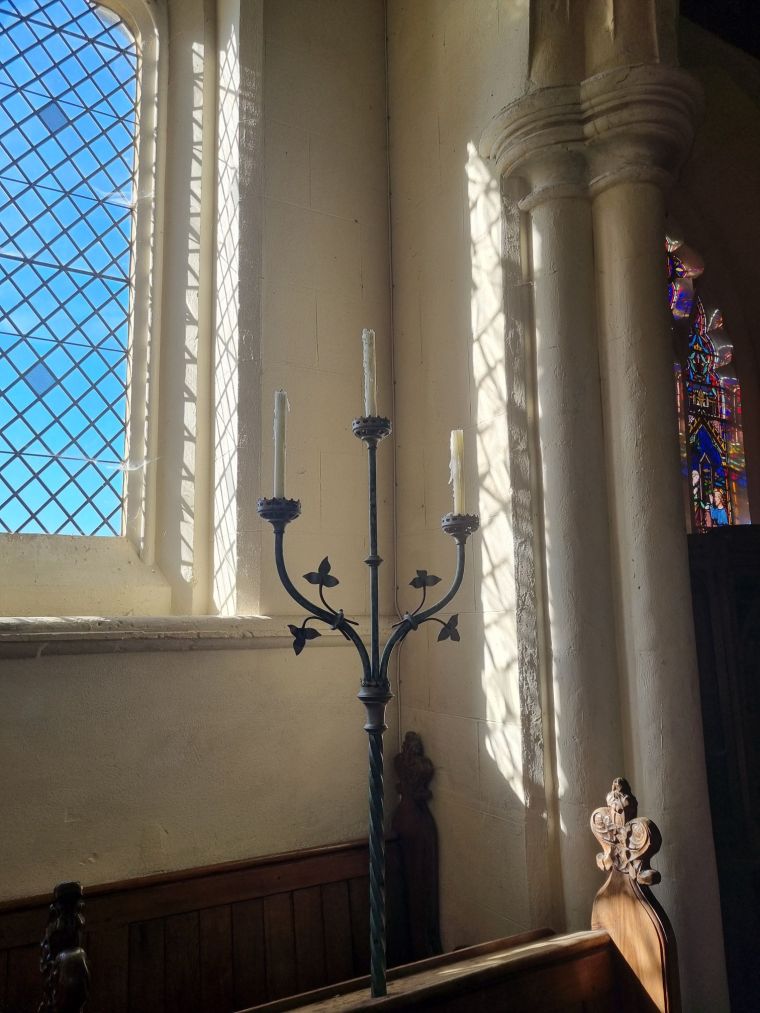
And then there are traditions practised unchanged for centuries, such as a recent Choral Evensong for Harvest service taken by Revd Grant Fensome and Revd Katy Weston. The service was delivered from the original 1600s text in which it was written and sung to the same music. The Evensong was performed in candlelight by the Friends of Bartholomew’s Choir directed by Sara Benbow and was very moving by all accounts.


Graveyard at St Bartholomew’s Church, Lower Basildon
From the gravestones and memorial statues are stories which are intertwined with the fortunes and histories of local families.
You will find memorials to Jethro Tull (1674-1741), an influential agriculturalist (not the band!) who was born, baptised and buried at St Bartholomew’s, to wealthy local families such as the Sykes and the Morrisons who separately owned Basildon Manor that later became National Trust Basildon Park, and who both helped to fund major restorations of the church in the 1800s.
This brings me to one of the most prominent memorial statues in the graveyard and to one of the most heart breaking.
In 1885, Mr Edward Deverell, a farmer from Thatcham moved his family to Church Farm in Lower Basildon just one year prior to the tragedy with their sons Harold, aged 16 and Ernest aged 15 who attended Newbury Grammar School.
The boys were invited on a swimming trip with a friend, which according to Clive Williams’ book ‘Basildon, Berkshire, An Illustrated History’, was at a backwater of the Thames near a house called The Grotto, where an 8-foot trench had been dug close to the bank for sheep dipping. It appears that neither of the boys could swim and when Ernest got into trouble, his brother tried to help and their companion wasn’t able to save either of them. A passing skiff then thought they were play acting and failed to stop.
This moving marble statue was erected by the family with Church Farm in the background. The family moved away a year later. I was interested to see a comment left on the Church Explorer blog from a descendant of the family, so the farmer and his wife did go on to have at least one other child.


The graveyard is a sight to behold each Spring, thanks to a heroic planting of magical fritillaries and snowdrops undertaken over many years by Peter Thorn, local long-time friend of the church.
Master craftsmen
I am drawn to the community that these buildings continue to nurture and have a fascination for the layers of time revealed in their architecture and decoration. Churches were built to last, and they commissioned work from the finest Master craftsmen such as William Wailes whose workshop is responsible for most of the stained glass windows at St Bartholomew’s, Lower Basildon.


#Raisetheroof campaign
Wind forward almost 40 years and I find myself yet again mesmerised about this special location and helping to tell some of the stories of the church via a new Instagram for the Friends of St Bartholomew’s.
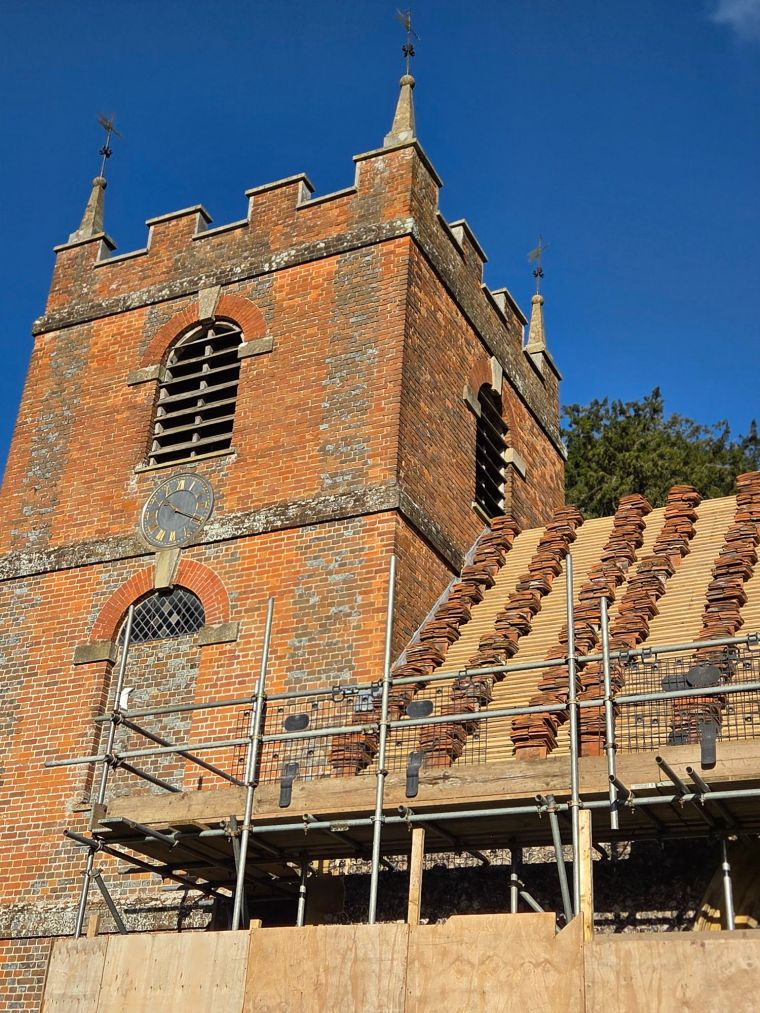
You see, it needs a new roof. Although it has done well over these past 800 years, it recently failed, leaving a rather large open wound to the fabric of the building. The roof battens have rotted, and the clay roof tiles started to slip. This has left it vulnerable to significant damage and decay from wind and rain. For a time, the church had to be closed to all visitors and the well-attended services and community events had to be cancelled.

Fundraising for St Bartholomew’s Church, Lower Basildon
The church has been in the care of the Churches Conservation Trust since 1978 who have invested £18,000 from emergency funds to make the church weathertight with a corrugated roof. The cost of permanently replacing the nave roof is currently estimated at £180,000. The Friends of the church are jointly fundraising with the Churches Conservation Trust to reach this target with a Raise The Roof fundraising campaign.
A fundraising success – July 2025!
In partnership with the Churches Conservation Trust, and the Fundraising Board for St Bartholomew’s chaired by Alison Laing, the church has reached after just 14 months its fundraising target of £180,000 for a new roof!

It was made possible by a huge team effort from the CCT, friends of the church who put on fundraising events including a black tie dinner that raised £25,000 (many thanks to Morris and Co and to Ian Sanderson textiles for their generous raffle donations), supportive local press as well, generous donations from individuals, local councils and charities.
Local MP, Olivia Bailey raised the question in Parliament about the future of the Listed Places of Worship Grant Scheme which enables VAT on conservation work to be claimed back. This has saved the church around £25,000 in extra costs.

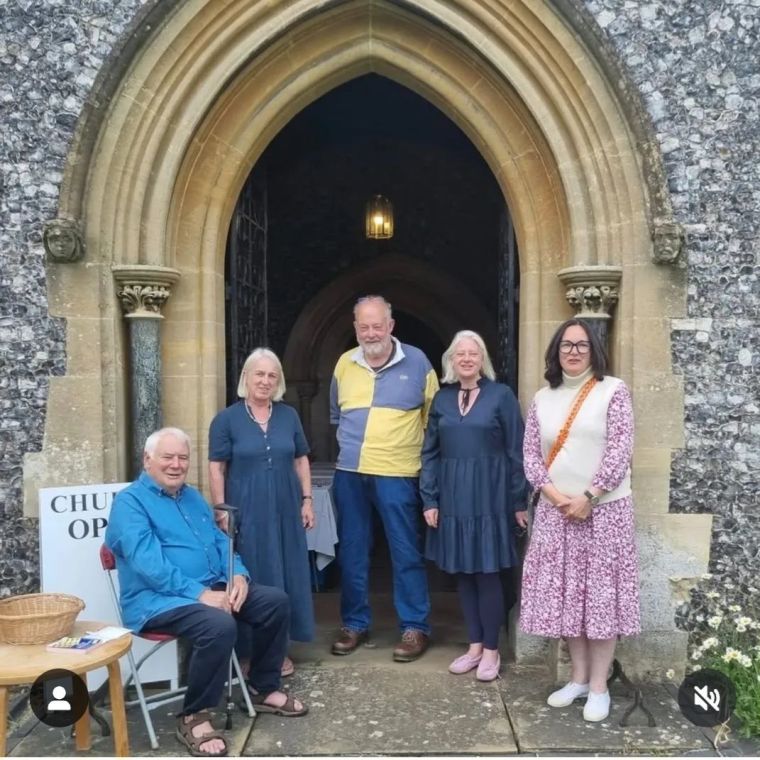

Thank you so much too to anyone who may have donated from reading this post.
Work started on 6th October 2025 with Everest Roofing, a local Oxfordshire contractor undertaking the work. If you are interested, please do follow the Instagram story and Facebook story of the church which will follow it throughout the seasons, with news on services and progress on the new roof.
You might also be interested in the work of the Churches Conservation Trust who are a charity who save historic churches at risk.
We raised the roof!
The church fully re-opened in Spring 2026 with its beautiful new roof and is once again welcoming visitors.
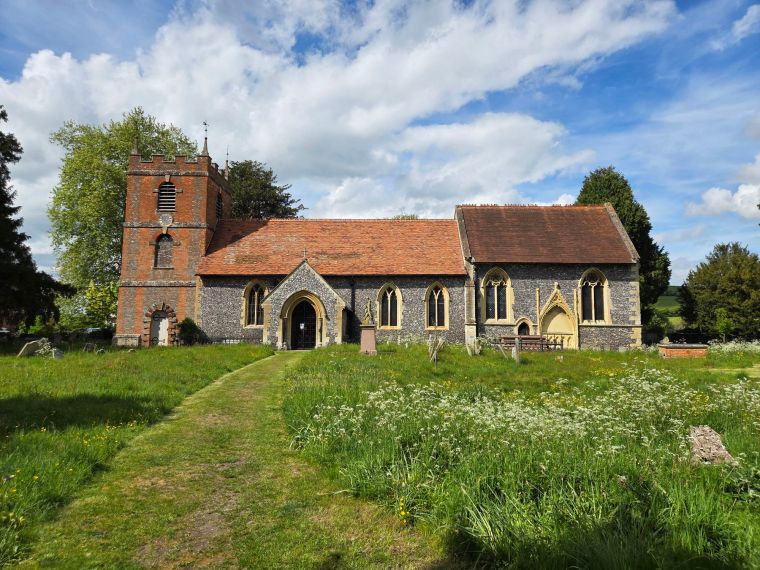
Visit St Bartholomew’s, Lower Basildon, Berkshire
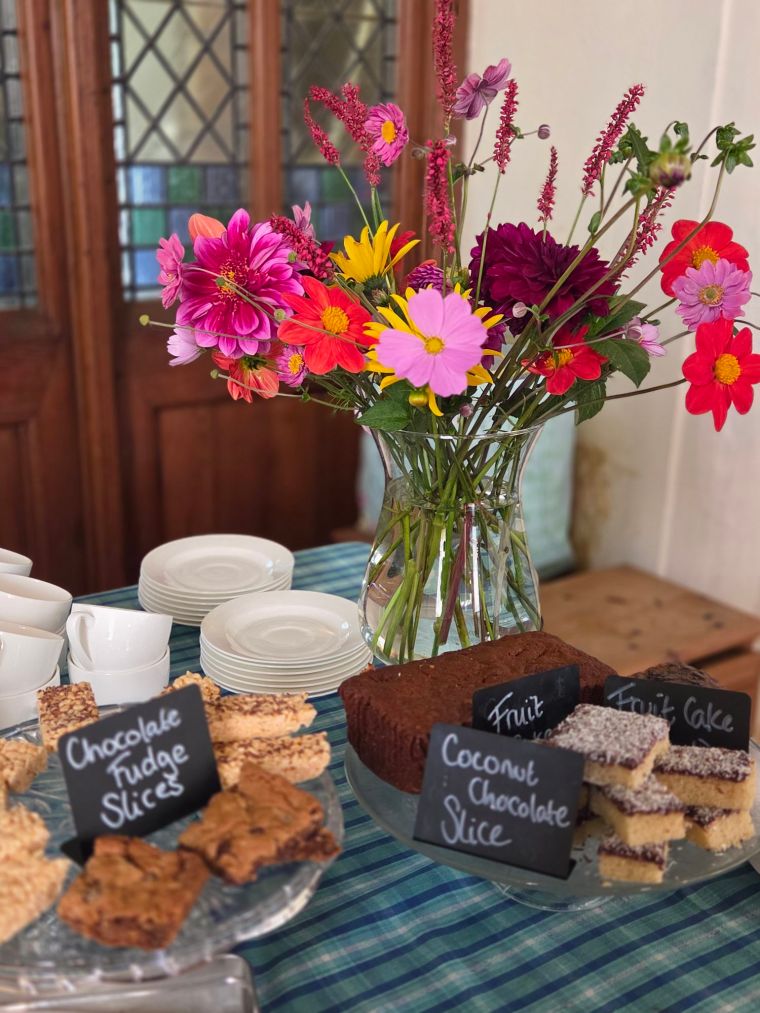
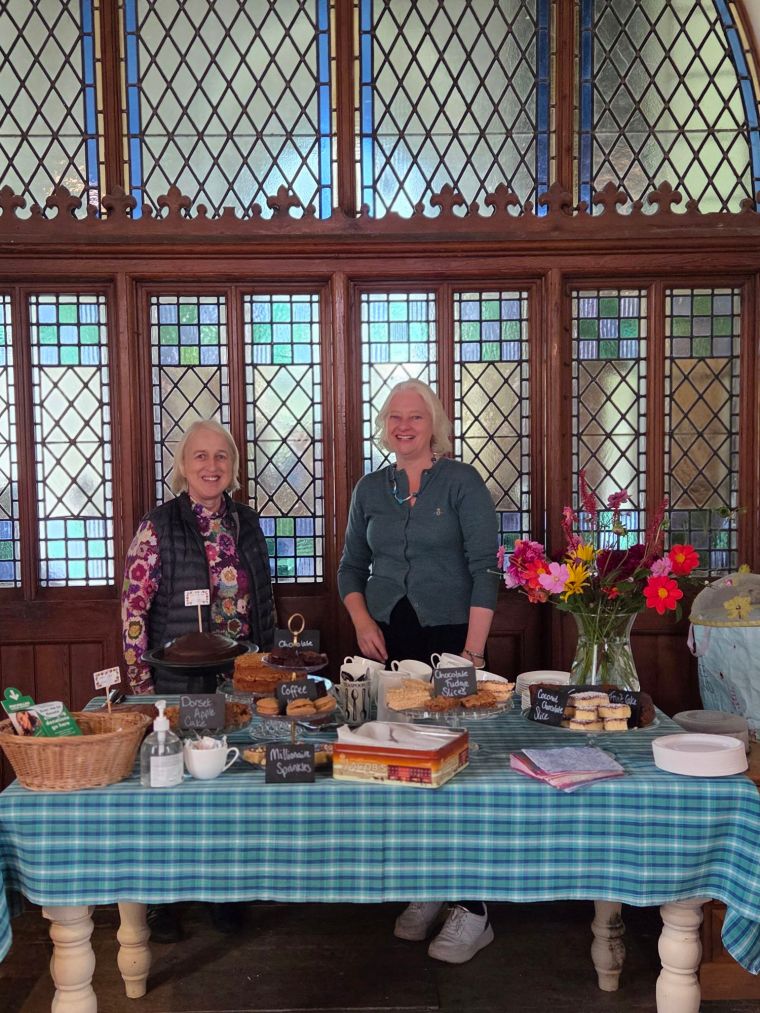
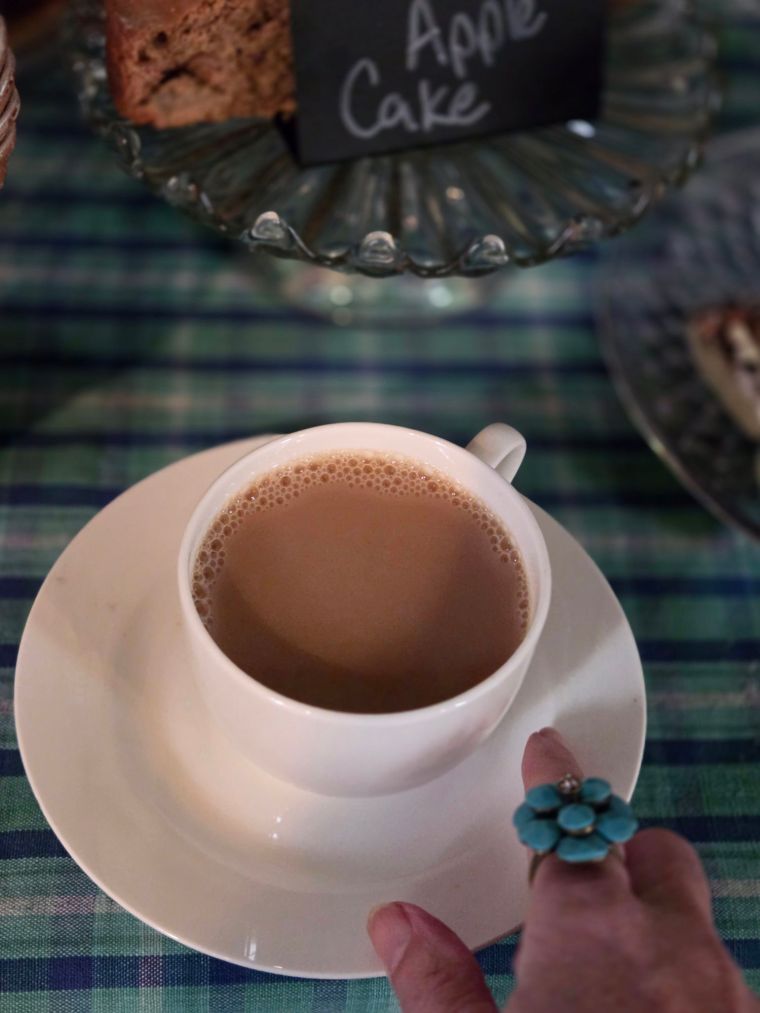
The church welcomes visitors daily from 10 am to 4 pm. And you might like to come along with friends, family and four-legged friends for a Macmillan charity tea being hosted at the church this Friday 25th September from 2.30 to 4.30 pm where there will be some delicious homemade cakes (gluten free included) and lots of chat!
Thank you
Thank you so much for reading this post. In my work as an interior stylist/journalist, it has always been about a good story and location for me, and this is a pretty special one.
And you can subscribe to my blog here:
With many thanks and best wishes,
Charis x


Hi Charis How funny you should pop up in my inbox. I was just searching on Google for your postal address. I want to send you an old fashioned invite to Yattendon. You’ve done well to hide you home anyway, as I can’t find it. Ha ha. So please do let me know what it is and I’ll get it in the post to you. Another great post by the way. I’ve never been to that church, I’ll have to pop in some time. Hope all is wellAimée xx Yahoo Mail: Search, organise, conquer
LikeLiked by 1 person
Ha ha, that’s funny. Thanks so much for reading, and thank you so much for an invite to the Modern Makers Collective at Yattendon in November. I will look forward to that and send you my address. C xx
LikeLike
This is lovely. Honestly such a great piece from many angles! Thank you xx
Sent from my iPhone
LikeLiked by 1 person
Completely my pleasure. xx
LikeLike
What a special read! So evocative. I really really enjoyed that and was moved toe by the story of the teenagers.
LikeLike
Thank you so much Rachel.
LikeLike